
How Electric Utilities Can Streamline Records Management Without Sacrificing Compliance
How Electric Utilities Can Streamline Records Management Without Sacrificing Compliance: Electric utilities operate in one of the most highly regulated and operationally complex environments. From grid maintenance and infrastructure planning to safety inspections and regulatory reporting, utilities generate enormous volumes of critical documentation every day. Managing these records efficiently isn’t just an administrative task—it’s essential to reliability, compliance, and risk management.
Yet many electric utilities still rely on onsite storage rooms, filing cabinets, or overcrowded warehouses to house decades of paperwork. As record volumes grow, so do the challenges.
The Growing Records Burden Facing Electric Utilities
Electric utility organizations must manage a wide range of documents, including:
- Asset and infrastructure records
- Maintenance and inspection reports
- Safety and environmental documentation
- Regulatory filings and compliance records
- Engineering drawings and system plans
- Incident reports and audit materials
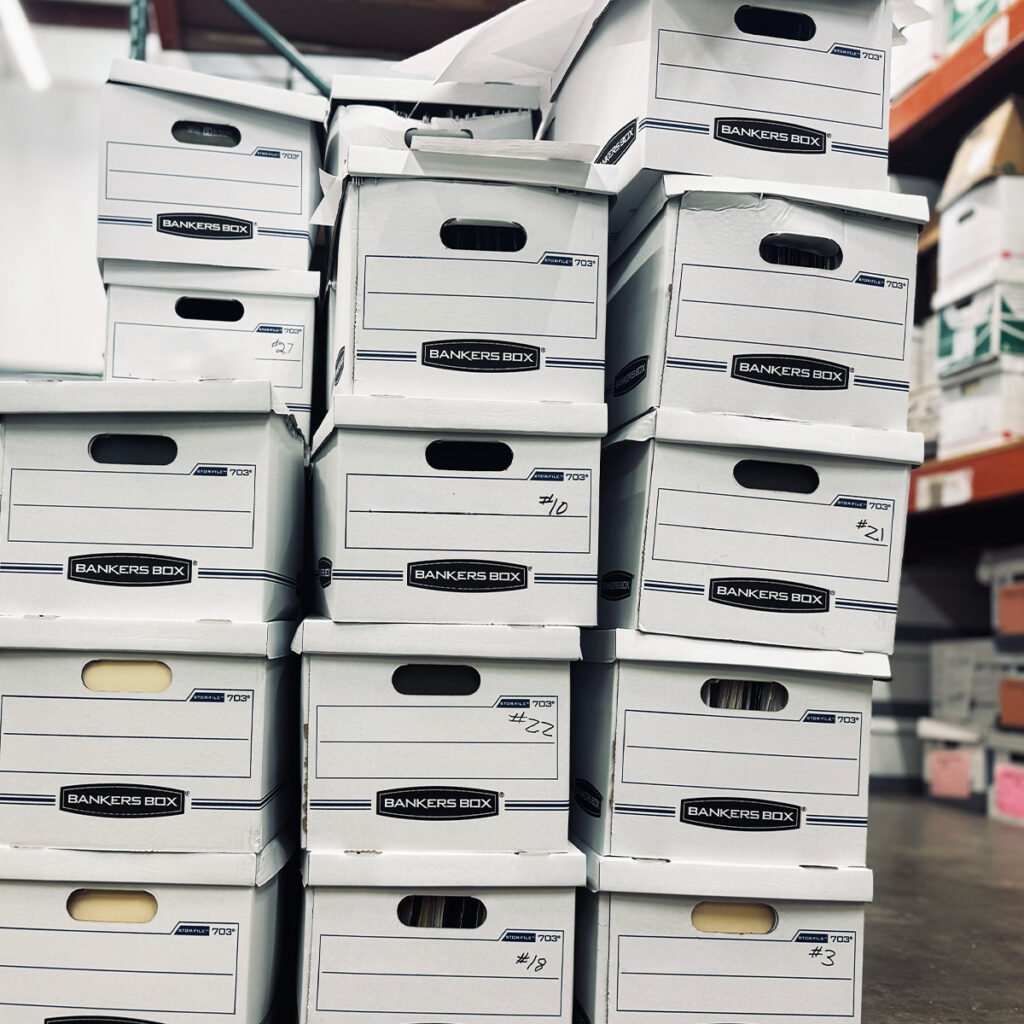
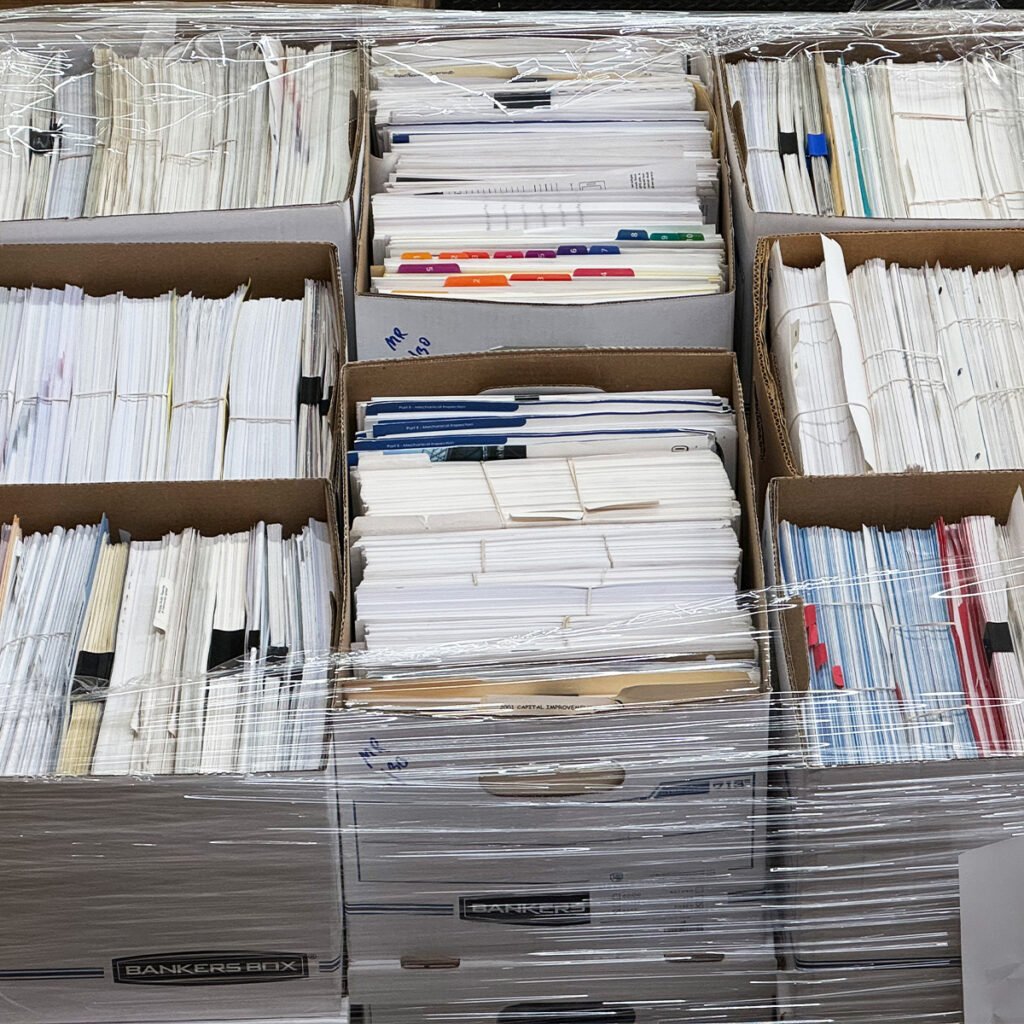
These records often need to be retained for long periods due to regulatory requirements and operational risk. Storing everything onsite quickly leads to cluttered facilities, limited visibility, and increased risk of lost or damaged files—especially during audits or emergency situations.
Why Onsite Storage Creates Risk and Inefficiency
When records remain onsite, utilities face several challenges:
- Valuable operational space is consumed by storage
- Staff waste time searching for files
- Records are vulnerable to environmental damage
- Access control is harder to enforce
- Audit and inspection response times slow down
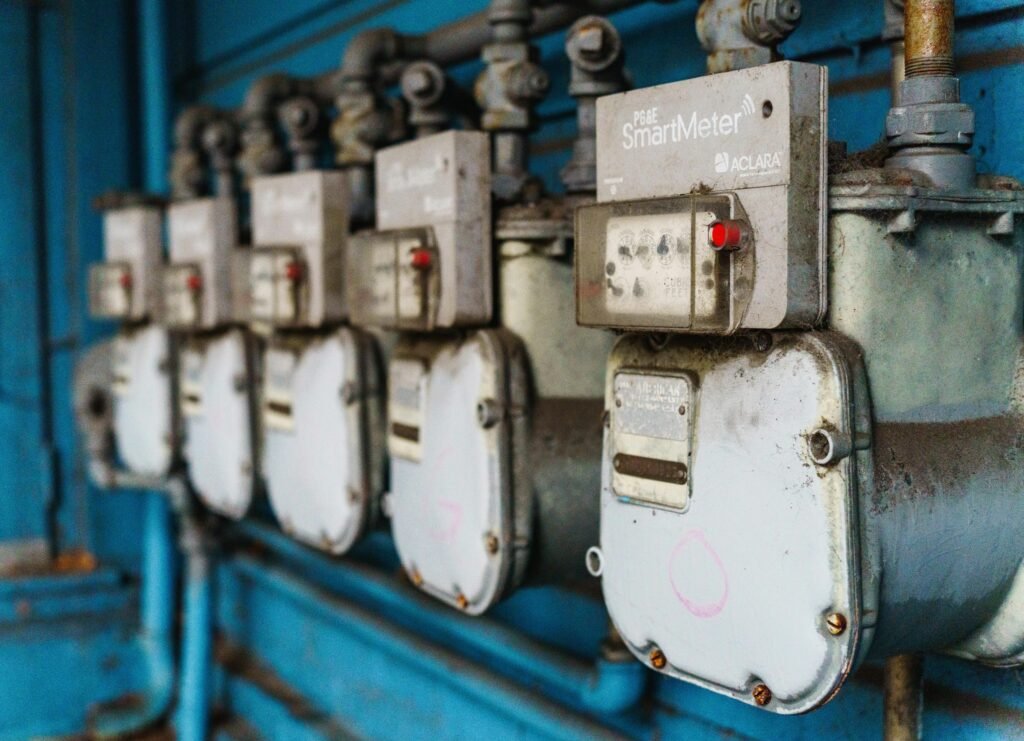
For electric utilities, delayed or disorganized record retrieval creates real operational and compliance risk. Regulatory reviews, safety inspections, and infrastructure decisions all depend on fast, accurate access to documentation such as maintenance logs, outage reports, engineering drawings, and regulatory filings. When teams struggle to locate records, inspections slow down, audits become more stressful, and critical decisions are postponed. These delays force staff to shift focus away from system reliability and long-term planning, increasing exposure to compliance gaps, safety concerns, and operational inefficiencies across the grid.

How Offsite Archiving Supports Electric Utility Operations
Offsite records archiving provides electric utilities with a structured, secure alternative to onsite storage. By moving records into professionally managed facilities, utilities gain better organization, stronger security, and faster access to critical documentation—without burdening internal teams.
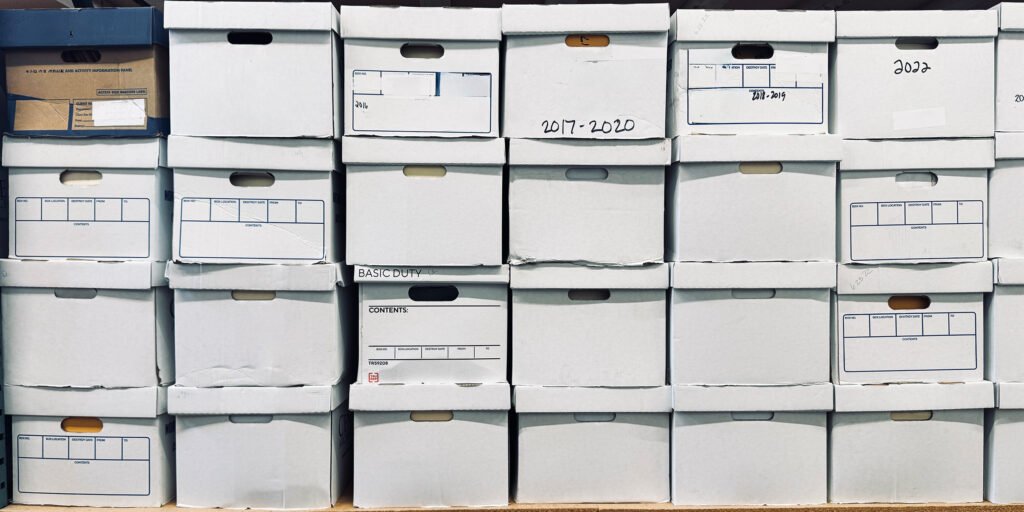
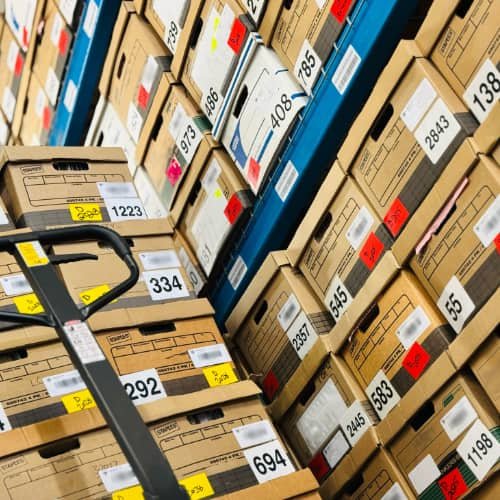
Liberty Archives stores electric utility records in secure, monitored facilities with strict access controls, climate regulation, and industry-standard security protocols. Every box is barcoded, inventoried, and tracked, providing full accountability from intake through retrieval.
Real-Time Visibility Into Stored Records
One of the biggest advantages of offsite archiving is visibility. Electric utilities need to know exactly what records they have, where they’re stored, and how quickly they can access them.
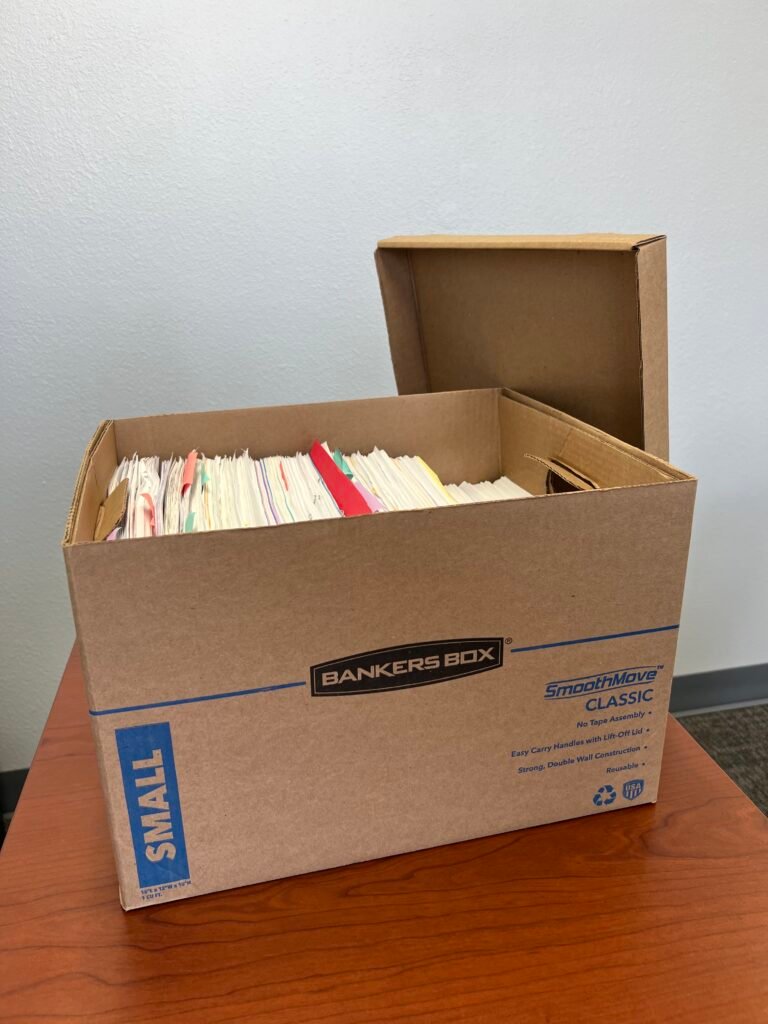
With advanced inventory management, utilities can track every stored box and file with confidence. Whether responding to a regulatory audit, preparing for an inspection, or reviewing historical infrastructure data, teams can request:
A Single Document

An Entire Box
A Secure Digital Scan
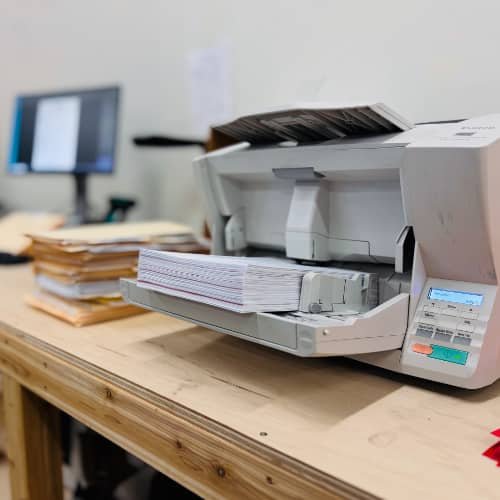
This level of transparency eliminates guesswork and ensures records are available when they’re needed most.
Supporting Regulatory Compliance and Retention Requirements
Electric utilities must comply with strict local, state, and federal regulations related to safety, environmental standards, and infrastructure oversight. Proper record retention and secure destruction are critical to maintaining compliance and minimizing risk.
Structured lifecycle management ensures records are:
- Retained for the required duration
- Accessible only to authorized personnel
- Securely destroyed when retention periods expire
By managing the full lifecycle of records, utilities reduce compliance exposure while maintaining audit readiness at all times.
Reclaim Space and Refocus on Core Operations
Storing records onsite pulls resources away from higher-value work. Facilities space, staff time, and operational focus are better spent on grid reliability, maintenance planning, and customer service—not managing paperwork.
Offsite archiving allows electric utilities to reclaim space, reduce clutter, and streamline workflows. With organized storage and fast retrieval, teams spend less time managing records and more time supporting safe, reliable energy delivery.
A Smarter Approach to Utility Records Management
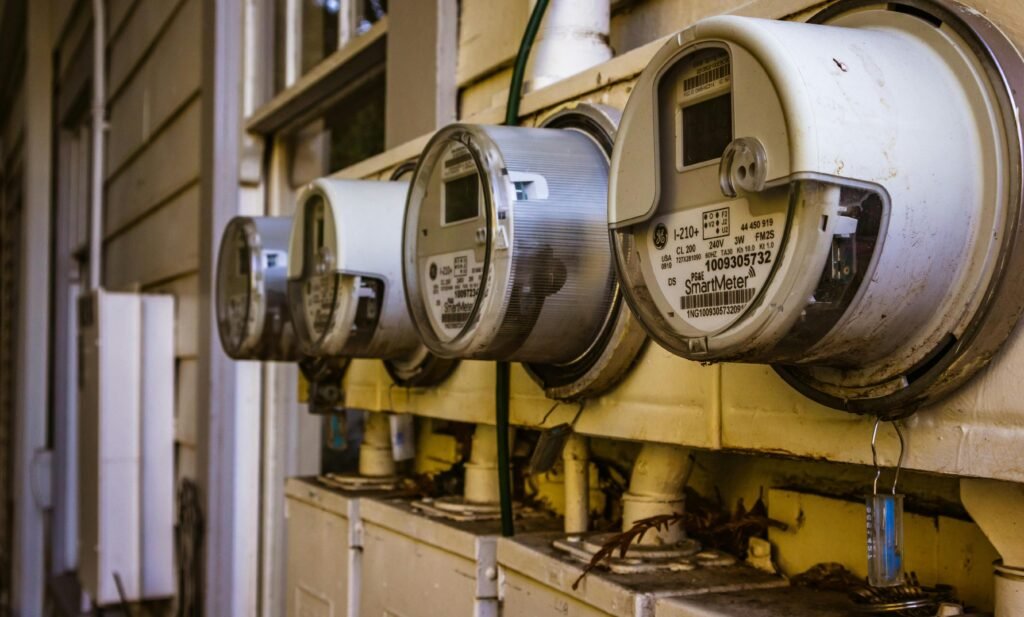
As electric utilities continue to modernize infrastructure and operations, records management must evolve alongside them. Secure offsite archiving provides the structure, visibility, and control utilities need to manage records responsibly—without slowing down operations.
By partnering with a trusted records archiving provider, electric utilities gain peace of mind knowing their critical documentation remains protected, accessible, and compliant for the long term.
Looking for reliable shredding, scanning, archiving, media conversion, cloud, and more services? Contact Liberty today for a free, no-obligation quote. Whether it’s a single-file box or an ongoing service agreement, we’ll help you choose the right solution for your home or business.
📞 Contact us now
Visit Our Electric Utilities Pg.
📧 Or request a quote online today!
Questions and Answers
What security measures protect electric utility records in offsite storage?
Offsite records facilities use controlled access, monitored entry points, climate regulation, and strict chain-of-custody procedures to protect sensitive utility documentation from unauthorized access, damage, or loss. These safeguards ensure infrastructure, safety, and regulatory records remain secure at all times.
How does lifecycle management benefit electric utilities?
Lifecycle management tracks records from intake through retention and final destruction. This ensures electric utilities retain records only as long as required, reduce long-term storage costs, and eliminate compliance risk associated with over-retention or improper disposal.
Can offsite archiving support emergency response or outage investigations?
Yes. Offsite archiving allows electric utilities to quickly retrieve maintenance histories, system drawings, outage reports, and incident documentation during emergencies. Fast access to accurate records helps teams respond efficiently and make informed decisions under pressure.
What happens when electric utility records reach the end of their retention period?
When retention periods expire, records are securely destroyed according to approved policies and regulatory requirements. This process reduces liability and ensures sensitive infrastructure, operational, and customer-related information is properly disposed of.
How does offsite records storage scale with growing utility operations?
Offsite records storage scales easily as electric utility operations expand. Whether adding new substations, service areas, or regulatory obligations, utilities can grow their records programs without increasing onsite clutter, administrative workload, or operational strain.