
The Overlooked Risk in Residential Construction: Poor Records Management
The Overlooked Risk in Residential Construction: Poor Records Management – When a residential construction project is completed, most builders are already focused on the next foundation pour, the next framing schedule, or the next closing date. But long after the final walkthrough, the documentation tied to that home still matters.
In fact, poor records management is one of the most overlooked risks in residential construction.
From warranty claims to renovation requests years later, builders are often expected to retrieve project documentation quickly. Without a structured archiving system, that simple request can turn into hours of searching — or worse, documents that cannot be found at all.
Residential Construction Is a Long-Term Commitment
Unlike short-term service industries, residential construction carries extended responsibility. Structural warranties, material warranties, insurance claims, and homeowner concerns can surface years after completion.
Imagine a homeowner calling five years later asking for:
- Original roof specifications
- Window manufacturer details
- Structural beam placements
- Foundation drawings
- Inspection approvals

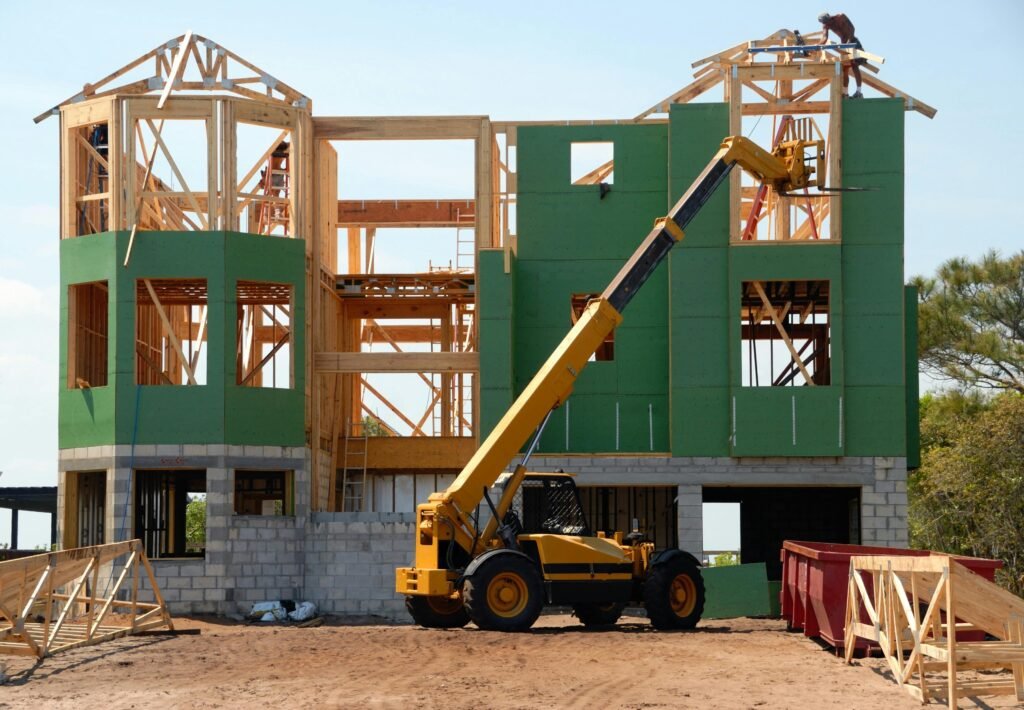
If those files are disorganized or stored in boxes stacked in a back office, the situation becomes stressful fast.
Good recordkeeping isn’t just administrative — it’s protection.
Paper Piles Quietly Create Liability
Many construction companies grow quickly. With growth comes paperwork: contracts, change orders, permits, inspection reports, and communication logs. Over time, inactive projects begin filling cabinets, closets, and storage rooms.
The problem isn’t just space. It’s vulnerability.
Paper files can be:
- Misplaced
- Damaged by water or fire
- Accidentally discarded
- Difficult to search efficiently
- Inaccessible to remote team members
When documentation cannot be located promptly, it can delay claims, weaken legal positioning, and strain client relationships.
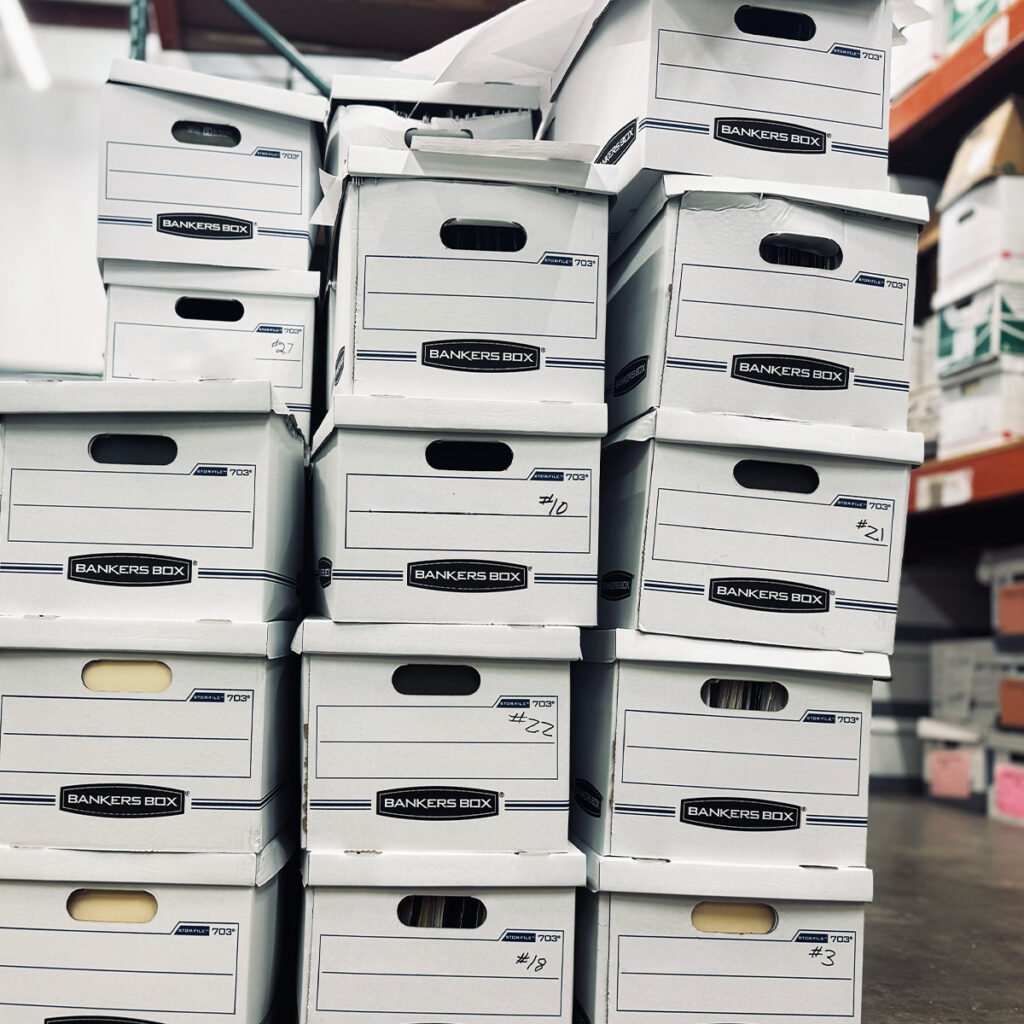
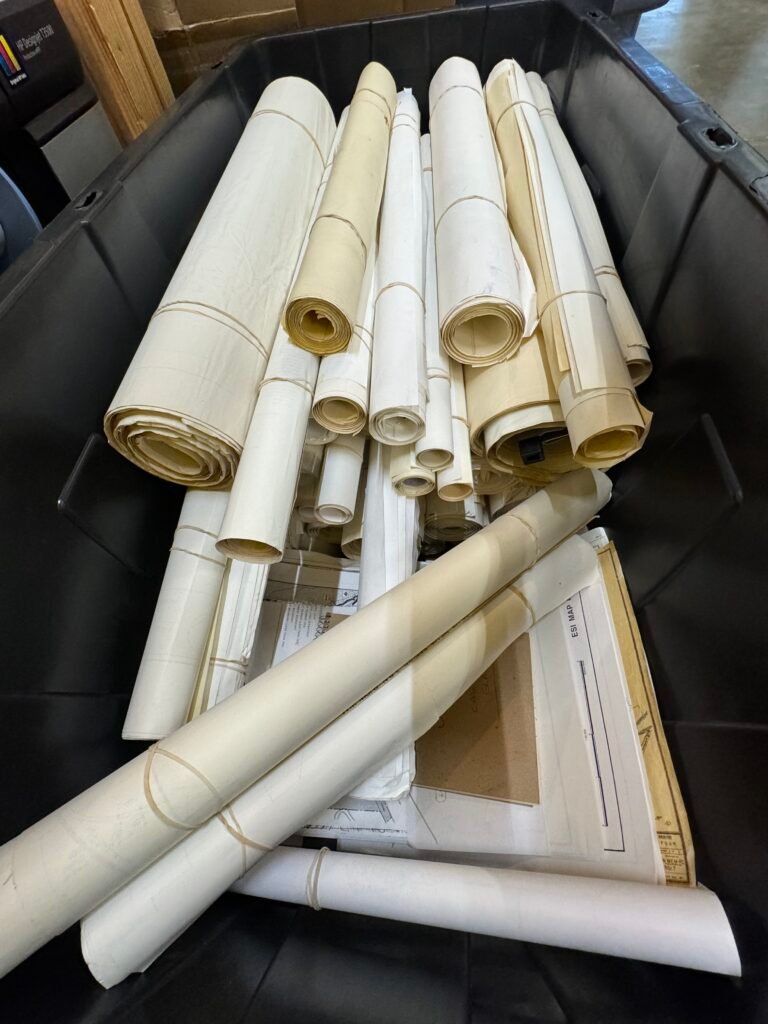
In an industry built on trust and accountability, even minor recordkeeping gaps can create major consequences over time. Proactive records management helps prevent small oversights from turning into costly setbacks.
Why Archived Records Support Future Business
Organized archives don’t just reduce risk — they support growth.
Residential builders frequently return to prior properties for:
- Home additions
- Basement finishes
- Structural upgrades
- Warranty inspections
- Client referrals
Access to original plans and documentation allows builders to move quickly and confidently. It demonstrates professionalism and builds long-term trust with homeowners.
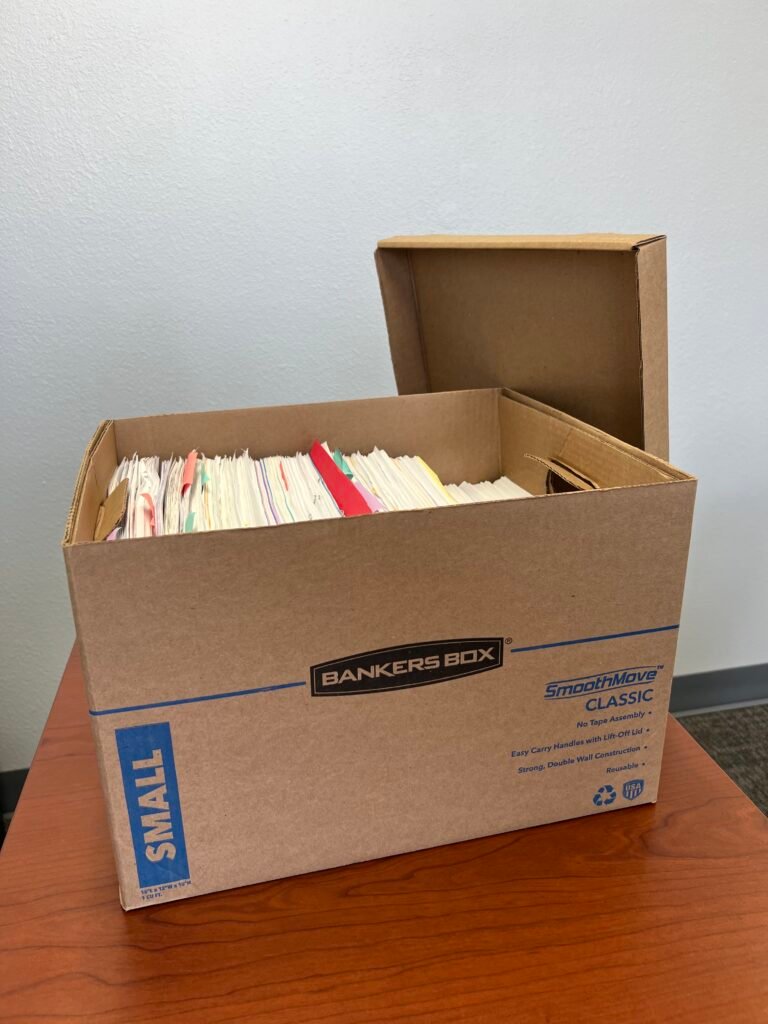
In many cases, organized records can even shorten the planning phase of renovation work.
The Shift Toward Smarter Records Management
Forward-thinking residential construction companies are moving away from unmanaged file storage and toward structured records systems.
A smarter approach includes:
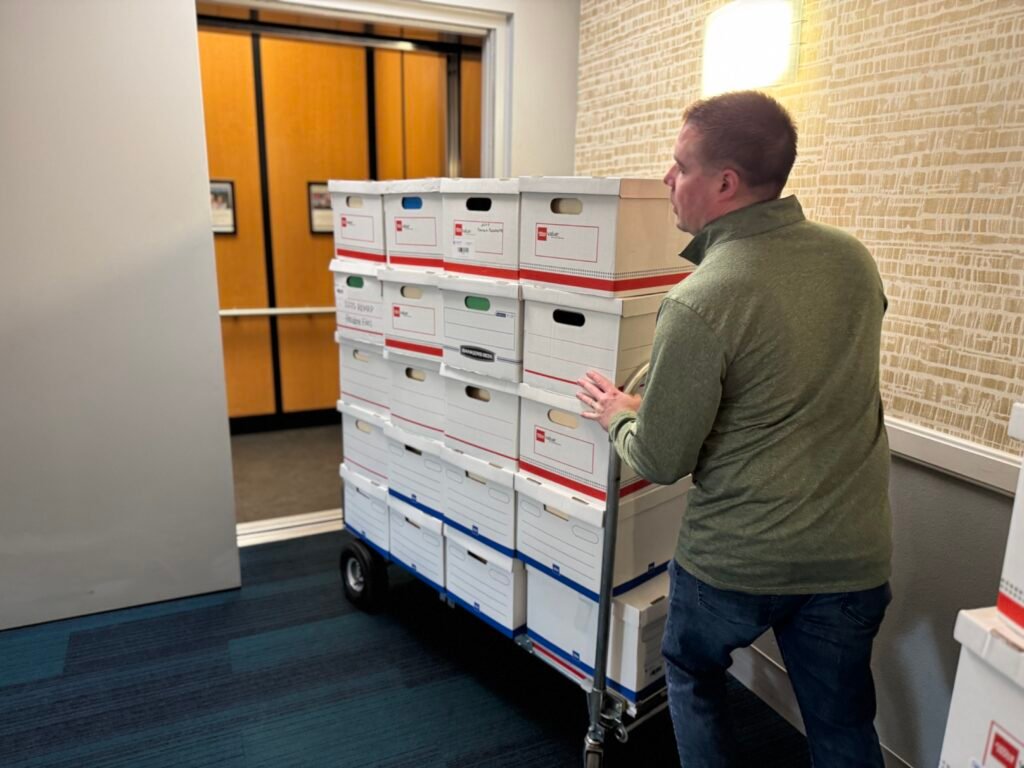
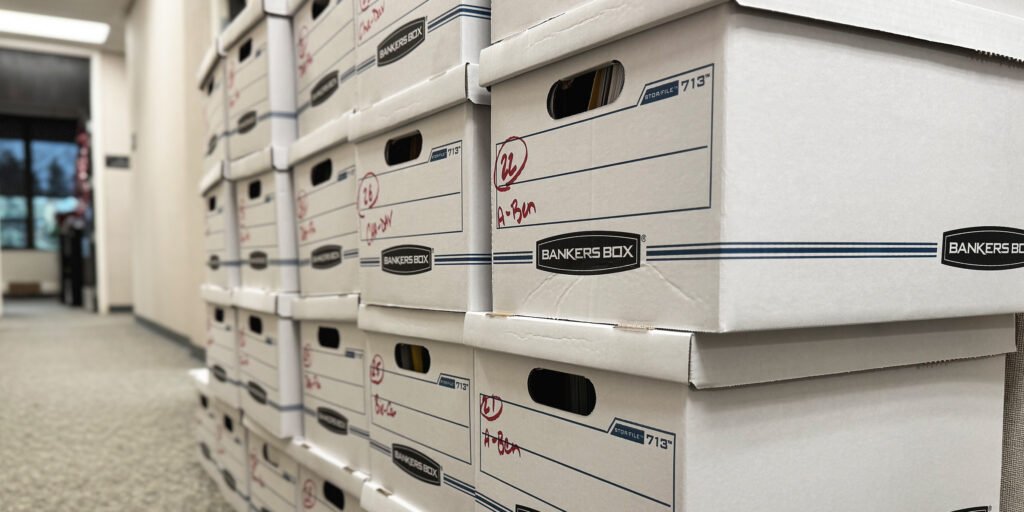
- Organized off-site document storage
- Indexed file tracking for fast retrieval
- Optional digital scanning for searchable access
- Clear retention policies
- Secure shredding of expired records
This approach allows construction firms to focus on building — not searching for paperwork.
Your Reputation Is Built on More Than Homes
In residential construction, reputation is everything. Homeowners remember how quickly concerns are addressed. They remember whether documentation is provided without hesitation. They remember professionalism.
Records management may not be the most visible part of your business, but it directly impacts how your company is perceived long after the project is complete.
Protecting and organizing your project documentation isn’t just about storage — it’s about safeguarding the integrity of your work for years to come.

Looking for reliable shredding, scanning, archiving, media conversion, cloud, and more services? Contact Liberty today for a free, no-obligation quote. Whether it’s a single-file box or an ongoing service agreement, we’ll help you choose the right solution for your home or business.
Questions and Answers
How often should residential construction records be archived?
Archiving frequency depends on project volume and retention requirements. Many firms schedule regular pickups — weekly, monthly, or quarterly — to ensure new contracts, plans, and permits are consistently secured and organized.
What security measures protect archived residential construction documents?
Professional archives provide controlled-access facilities, climate-controlled storage, fire and water protection, and strict inventory tracking to prevent unauthorized access, damage, or loss.
Can archived records help with legal or warranty disputes?
Absolutely. Properly archived records provide proof of compliance, completed work, and contractual obligations. Quick retrieval ensures firms can respond efficiently to legal inquiries, warranty claims, or regulatory audits.
How does off-site archiving save office space?
By storing inactive project files in secure off-site facilities, construction firms free up valuable office space for active projects, equipment, or staff work areas, reducing clutter and improving workflow.
Is it possible to retrieve only specific files instead of entire projects?
Yes. Archiving services use organized indexing and barcode tracking, allowing firms to request individual files, plans, or permits without retrieving entire project boxes. This provides convenience, speed, and efficiency.