
Records Archiving for Accident Insurance Providers
Secure, Compliant Storage for Claims & Policy Documentation Accident insurance providers manage highly detailed and time-sensitive documentation. From policy applications and beneficiary information to medical reports and claims investigations, accurate recordkeeping is essential for compliance, client protection, and operational efficiency. Without a structured archiving system, files can become disorganized, difficult to retrieve, or vulnerable to legal and regulatory risk. Liberty Archives provides secure, professional records archiving solutions designed to support the unique documentation demands of accident insurance providers.
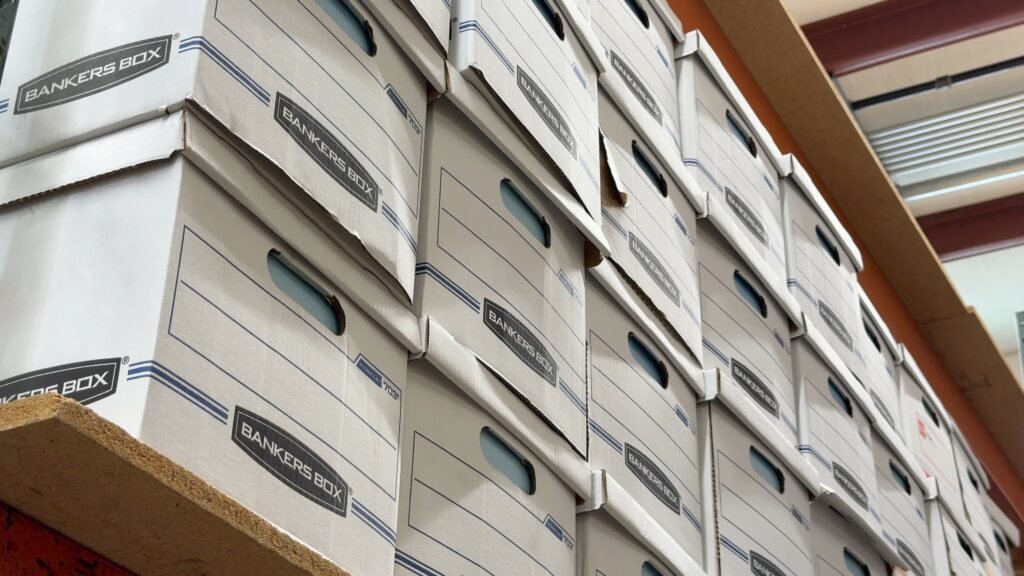
Why Records Management Is Critical in Accident Insurance
Accident insurance claims often involve medical documentation, investigative reports, and financial records that must be carefully retained. Organized records help providers:
- Respond quickly to claim inquiries and disputes
- Meet regulatory and audit requirements
- Protect sensitive policyholder information
- Support fraud investigations
- Reduce legal and compliance risk
In an industry where documentation directly impacts claim outcomes, reliable records management is essential.
Key Records We Help Archive
Accident insurance providers generate and retain a wide range of documentation, including:
- Policy applications and coverage agreements
- Claims files and supporting medical records
- Incident and accident reports
- Adjuster notes and investigation documentation
- Payment records and settlement documentation
- Client correspondence
- Regulatory compliance files
- Litigation and dispute records
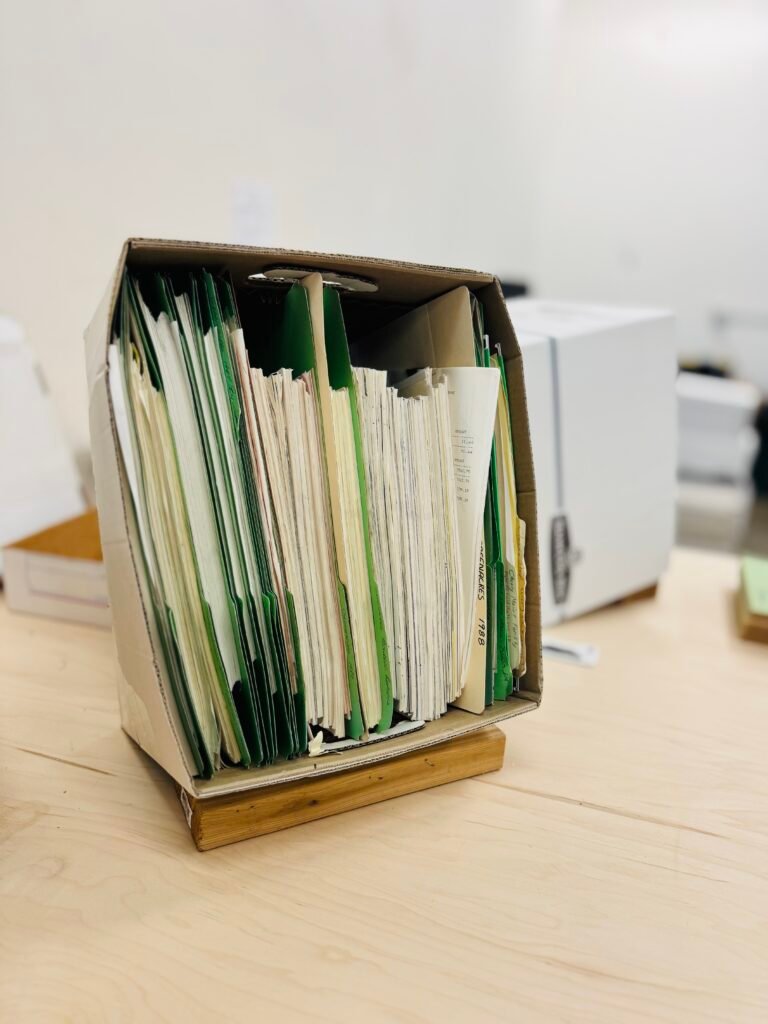
Secure archiving ensures these documents remain organized, protected, and accessible when needed.
Secure Off-Site Storage with Inventory Control

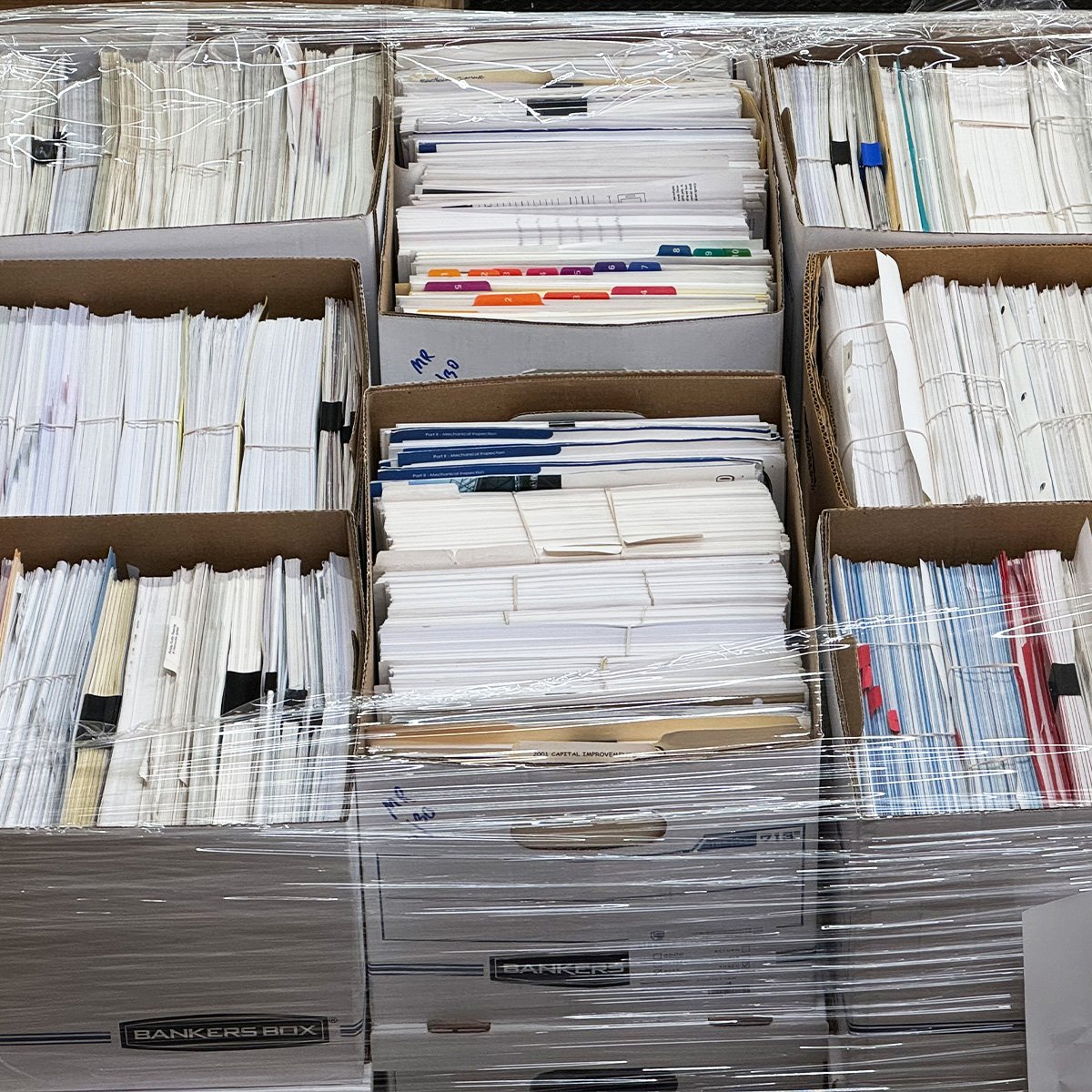
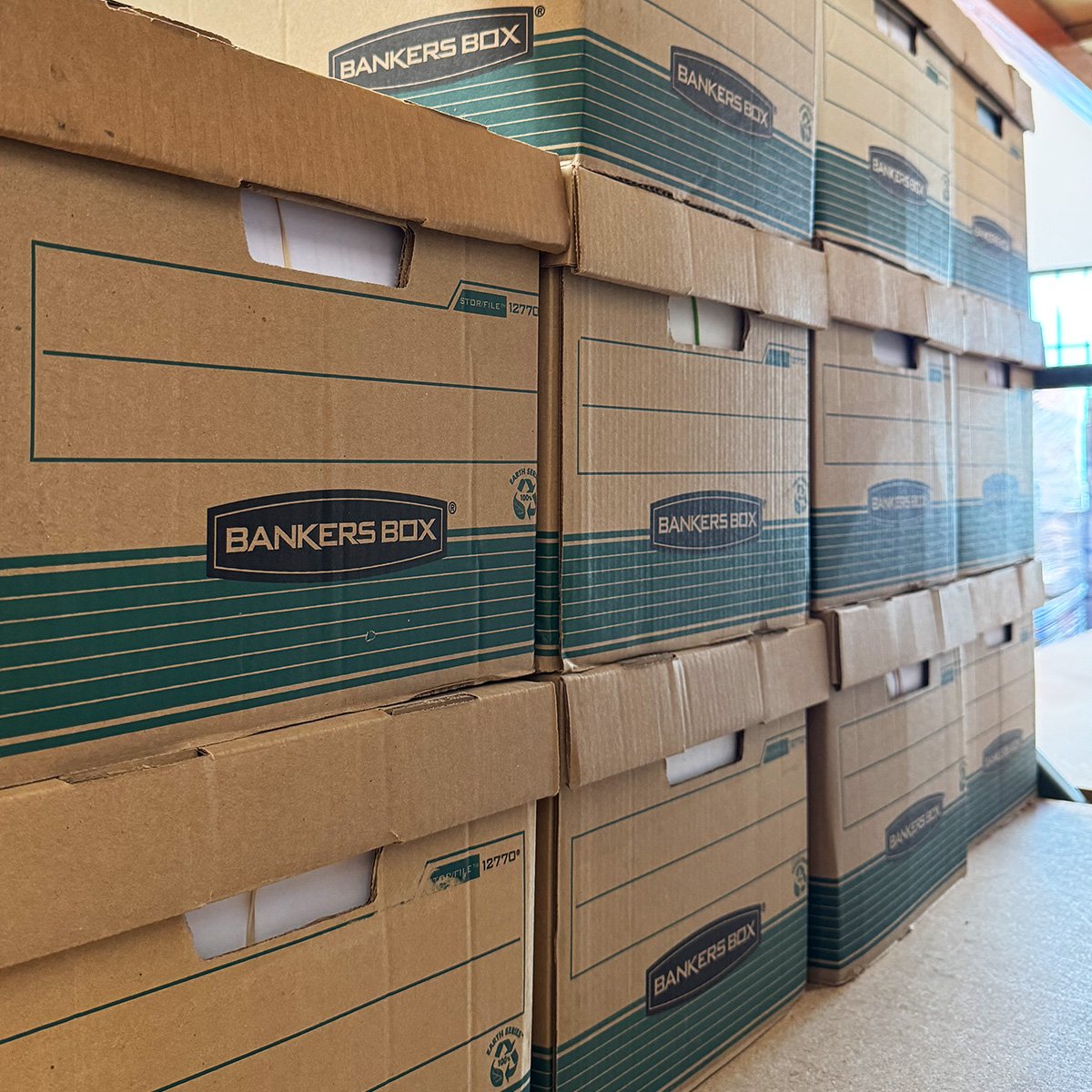
Liberty Archives offers climate-controlled, secure storage facilities with structured indexing and barcode tracking. This allows insurance offices to reduce on-site storage congestion while maintaining complete visibility of archived files.
Detailed inventory reporting ensures you always know what records are stored and how to retrieve them.
Fast, Reliable Retrieval
Off-site archiving does not mean limited access. When documentation is required for:
- Active claim reviews
- Regulatory audits
- Legal proceedings
- Fraud investigations
- Internal compliance checks
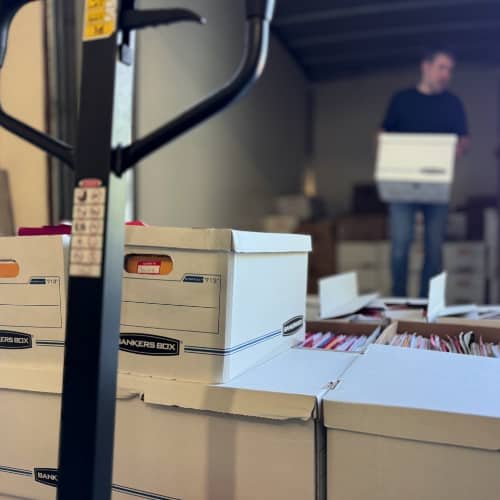
Files can be retrieved quickly and efficiently, minimizing disruption to your claims process.
Retention & Lifecycle Management
Accident insurance records are subject to strict retention requirements that vary by state and policy terms. Retaining files too long increases exposure, while destroying them too early creates compliance risks.

A structured lifecycle management program ensures:
- Defined retention schedules
- Organized file tracking
- Secure, documented destruction when permitted
This balanced approach protects both regulatory compliance and operational integrity.
Protect Your Policyholders — And Your Documentation
Accident insurance providers rely on accurate documentation to process claims fairly, defend decisions, and maintain regulatory compliance. A professional records archiving solution strengthens security, improves efficiency, and reduces long-term liability.
Liberty Archives delivers secure, dependable archiving solutions designed to support the demands of accident insurance operations.
Partner with Liberty Archives
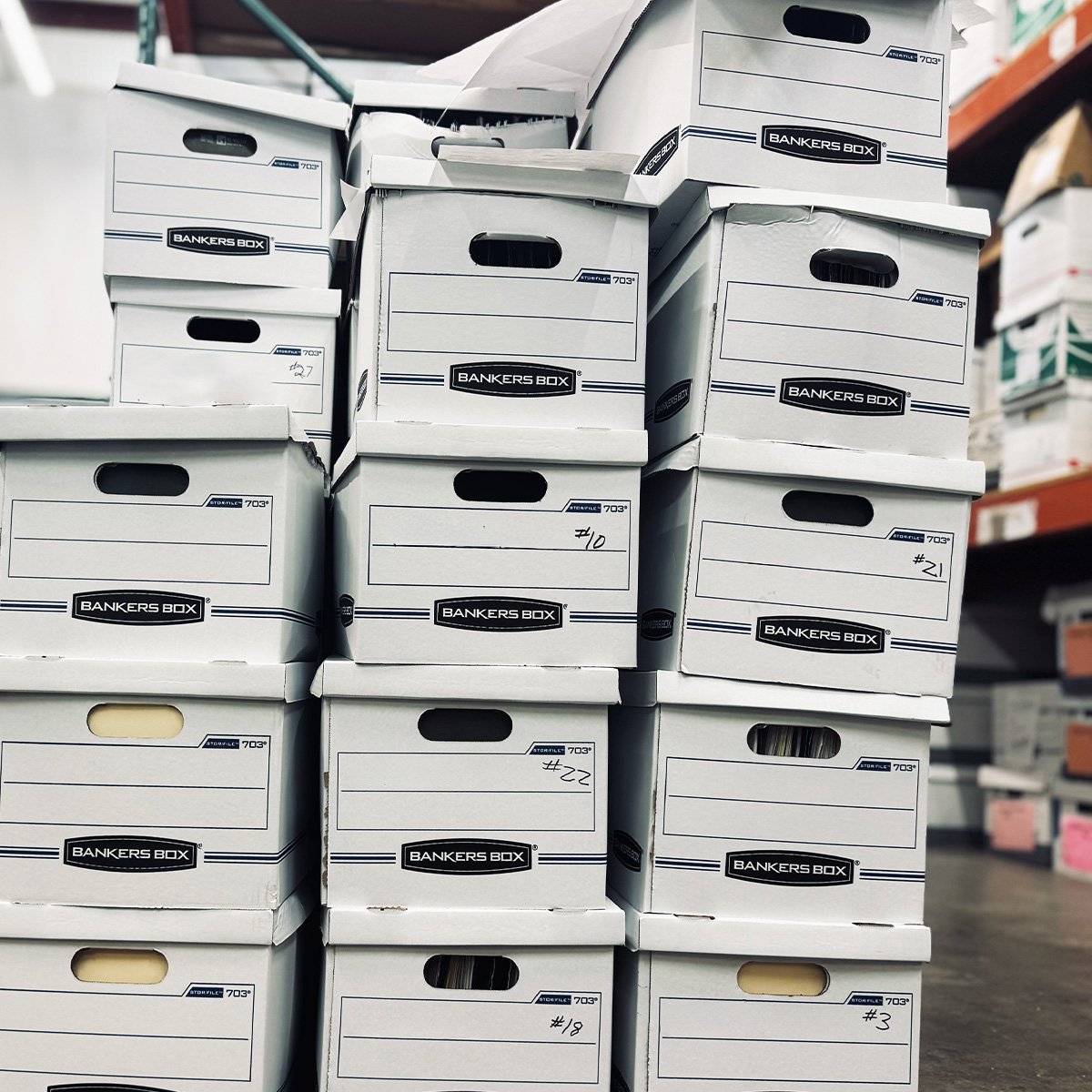
Looking for reliable shredding, scanning, archiving, media conversion, cloud, and more services? Contact Liberty today for a free, no-obligation quote. Whether it’s a single-file box or an ongoing service agreement, we’ll help you choose the right solution for your home or business.
Questions and Answers
How does organized records archiving help reduce claim processing delays?
When files are properly indexed and stored, adjusters and compliance teams can quickly access medical reports, policy details, and prior correspondence. This reduces time spent searching for documentation and helps claims move forward efficiently.
What risks do accident insurance providers face without a structured archiving system?
Disorganized records can lead to lost documentation, compliance violations, delayed audits, and increased legal exposure. Incomplete claim files may also complicate dispute resolution or fraud investigations.
Should accident investigation reports and adjuster notes be archived long-term?
Yes. Investigation reports and adjuster documentation often serve as critical evidence during disputes or regulatory reviews. Retaining these records according to policy ensures your company remains protected.
Can older paper claim files be digitized before archiving?
Yes. Many accident insurance providers choose to scan legacy paper files for easier access while maintaining secure physical storage when required. Digital conversion supports modernization without sacrificing compliance.
How does lifecycle management improve regulatory compliance?
Lifecycle management establishes clear retention schedules, organized tracking, and documented destruction procedures. This ensures records are kept for the appropriate duration and securely destroyed when permitted, reducing long-term liability.