
Why Records Archiving Is Critical for Accident Insurance Providers
Accident insurance providers operate in a documentation-intensive environment where accuracy, organization, and compliance are essential. Every policy issued and every claim processed generates sensitive records that must be securely stored and easily retrievable.
Without a structured records archiving system, files can quickly become disorganized, increasing the risk of delays, compliance issues, and legal exposure.
The Complexity of Accident Claims Documentation
Accident insurance claims often involve multiple layers of documentation, including:
- Policy applications and coverage details
- Medical reports and supporting documentation
- Incident and accident reports
- Adjuster notes and investigation findings
- Payment records and settlement documentation
- Client correspondence
These records must be retained according to regulatory requirements and company policies. When files are incomplete or difficult to locate, claims processing can slow down and disputes become more complicated.
Compliance & Legal Protection
Insurance providers are subject to strict regulatory oversight. In the event of an audit, dispute, or legal challenge, documentation serves as critical evidence.
Organized archiving helps ensure:
- Regulatory compliance
- Protection of confidential policyholder data
- Faster response during audits
- Reduced liability in claims disputes
Secure storage and controlled access procedures also help protect sensitive medical and financial information from unauthorized exposure.




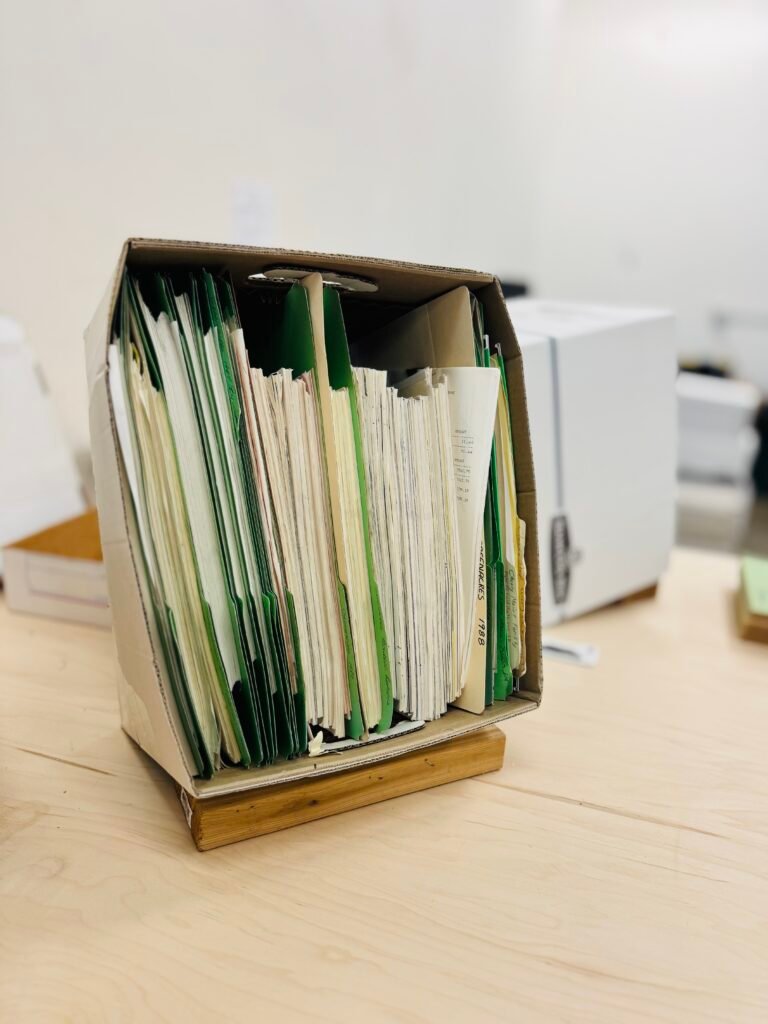
Off-Site Storage with Reliable Access
A common concern about off-site archiving is reduced accessibility. In reality, professionally managed storage improves file tracking and retrieval.
With structured indexing and inventory control, accident insurance providers can quickly retrieve documentation for:
- Active claims reviews
- Fraud investigations
- Regulatory audits
- Legal proceedings
This balance of security and accessibility supports smoother day-to-day operations.
Managing Retention & Risk
Not all records should be kept indefinitely. However, premature destruction can create significant compliance risks. A structured retention and lifecycle management program ensures files are:
- Retained according to policy
- Tracked and organized
- Securely destroyed when permitted
This reduces long-term liability while maintaining regulatory alignment.

Strengthening Operational Efficiency
Beyond compliance, organized records archiving improves operational efficiency. It reduces physical storage clutter, shortens search times, and creates consistency across departments.
In the accident insurance industry, documentation directly impacts claims decisions, financial accountability, and client trust. A professional records archiving solution helps protect both your policyholders and your organization.
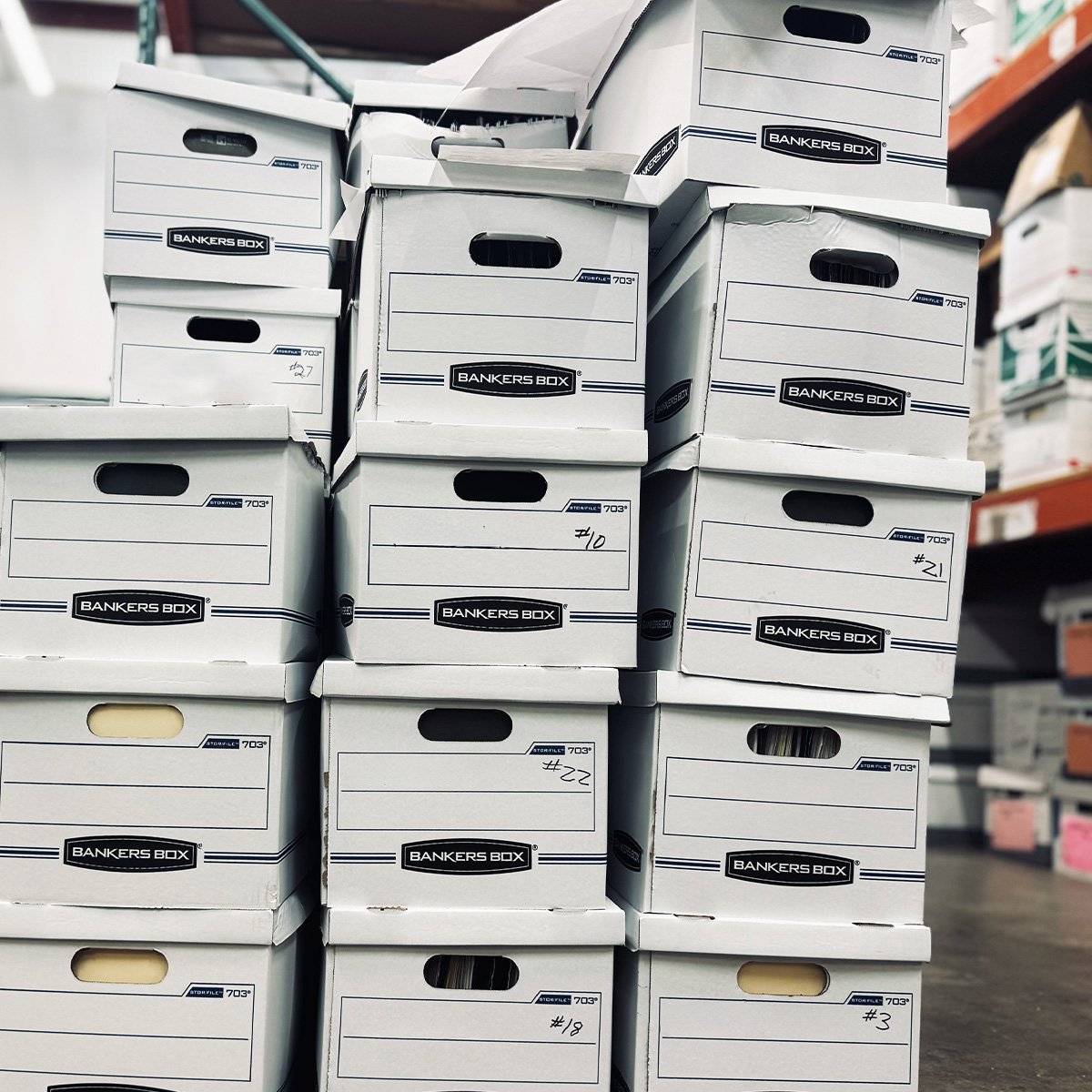
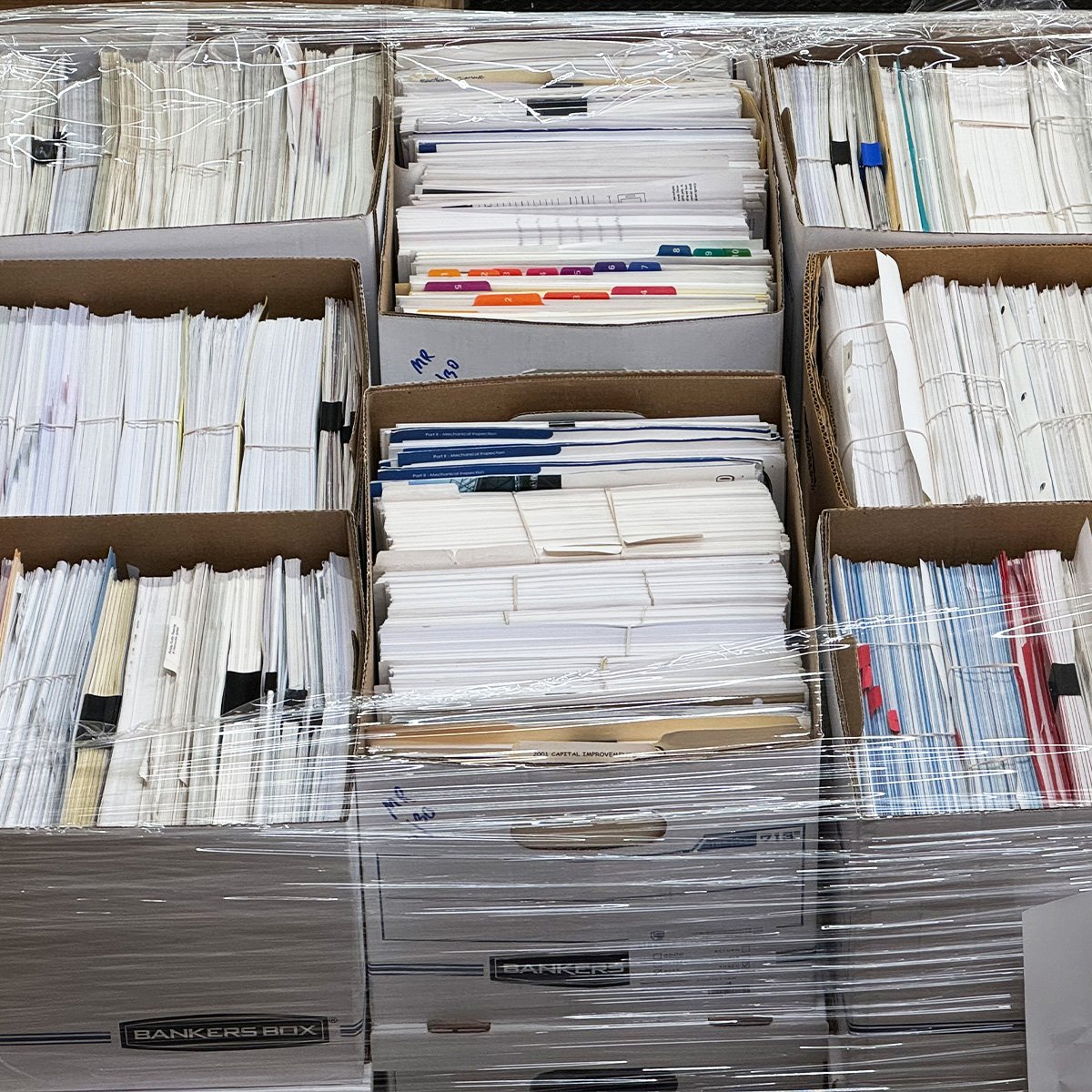

Looking for reliable shredding, scanning, archiving, media conversion, cloud, and more services? Contact Liberty today for a free, no-obligation quote. Whether it’s a single-file box or an ongoing service agreement, we’ll help you choose the right solution for your home or business.
Questions and Answers
Why is records archiving important for accident insurance providers?
Accident insurance providers manage sensitive claims, medical, and policy documentation that must be securely stored and retained according to regulatory requirements. Structured archiving protects this information while ensuring fast retrieval during audits, disputes, or active claims reviews.
What types of records should accident insurance companies retain?
Common records include policy applications, claims files, medical documentation, adjuster reports, settlement records, client correspondence, compliance documentation, and litigation files. Retention requirements vary by state and policy type.
How long must accident insurance claims records be kept?
Retention timelines depend on state regulations, policy terms, and internal compliance standards. Many claims and policy records must be retained for several years after settlement or policy expiration. A defined retention schedule helps ensure compliance.
Is off-site records storage secure for medical and financial documentation?
Yes. Professional records archiving facilities use controlled access, inventory tracking, and secure handling procedures to protect confidential medical and financial information from unauthorized access or damage.
Can archived accident insurance records be retrieved quickly during a claim dispute?
Absolutely. With structured indexing and barcode tracking systems, archived files can be retrieved quickly to support active claims, fraud investigations, legal proceedings, or regulatory audits — without disrupting daily operations.