
Why Trusts & Estates Practices Are Turning to Secure Records Archiving
Why Trusts & Estates Practices Are Turning to Secure Records Archiving: Trusts & Estates practices manage some of the most sensitive client information, including wills, trusts, probate documents, financial statements, and personal correspondence. Proper recordkeeping is critical—not only to protect clients’ confidential information but also to ensure compliance with legal and fiduciary regulations.
Without an organized archiving system, practices risk lost files, slowed workflows, and potential compliance issues. Secure records archiving allows attorneys and fiduciaries to digitize, organize, and protect sensitive documents while maintaining quick, reliable access when needed.
The Importance of Archiving in Trusts & Estates
Trusts & Estates professionals deal with long-term documents that often need to be retained for many years. Records such as client wills, trusts, financial statements, tax filings, and powers of attorney must be securely stored and easily retrievable for client consultations, audits, and court proceedings.
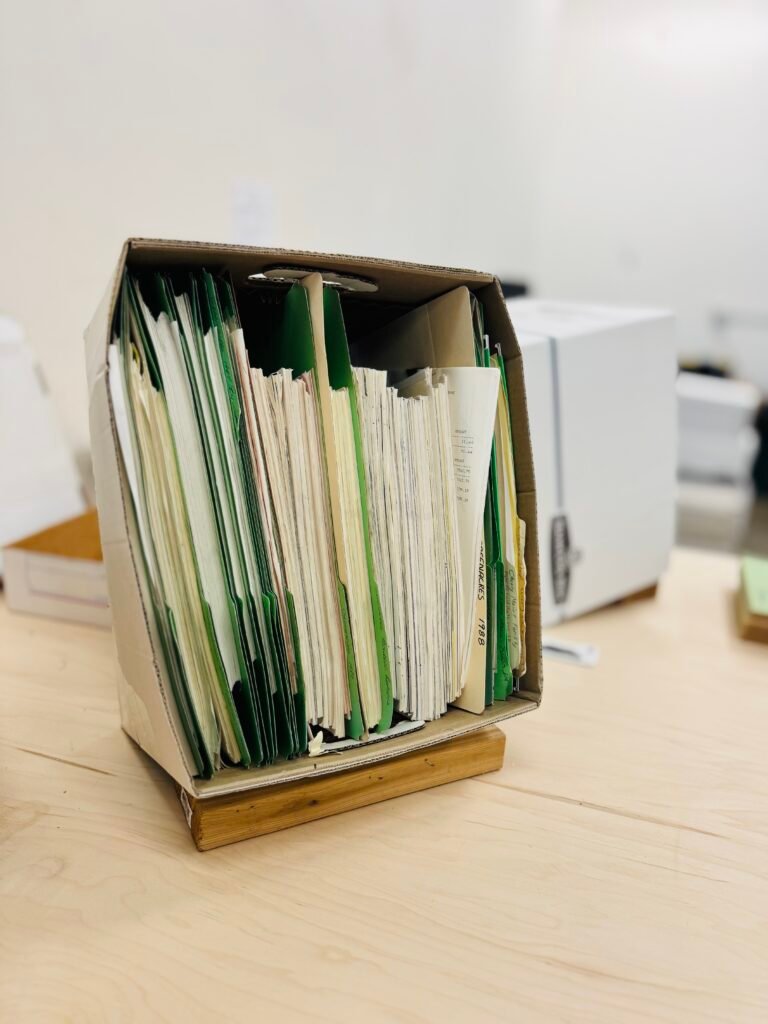
Traditional paper storage can create challenges like:
- Difficulty locating important documents quickly
- Risk of physical damage or loss
- Inefficient office workflows
- Compliance and fiduciary exposure
Professional archiving addresses these challenges, providing structured, searchable digital records that streamline operations and protect sensitive client information.
Key Records That Benefit From Archiving
Trusts & Estates practices can archive a wide variety of records:
- Wills and trust documents
- Probate and estate administration files
- Financial statements and account records
- Powers of attorney and fiduciary agreements
- Tax documents related to estates and trusts
- Client correspondence and legal filings



Benefits of Secure Records Archiving
Modern archiving solutions offer significant advantages:
- Faster retrieval of client and estate records
- Enhanced compliance and confidentiality
- Reduced physical storage needs
- Streamlined workflows for attorneys and staff
- Audit-ready and organized digital records
By digitizing and securely storing records, Trusts & Estates practices can focus on client service and case management rather than managing paper clutter.
Implementing an Archiving Strategy
A strong archiving strategy includes:

- Structured indexing by client, document type, or date
- HIPAA and privacy-compliant handling of sensitive information
- Secure digital storage with encryption and access controls
- Hybrid solutions combining digital and physical storage as needed
Partnering with a professional provider like Liberty Archives ensures records are handled securely from intake through long-term retention, reducing administrative burden and protecting client trust.
Modernizing Trusts & Estates Practices
Secure records archiving allows Trusts & Estates professionals to maintain organized, searchable records that:
- Support fiduciary responsibilities
- Improve efficiency for attorneys and staff
- Safeguard sensitive client data
- Ensure compliance with regulatory and legal obligations
Liberty Archives helps practices transition from paper-based or unmanaged digital records to secure, searchable archives, providing peace of mind and operational efficiency.

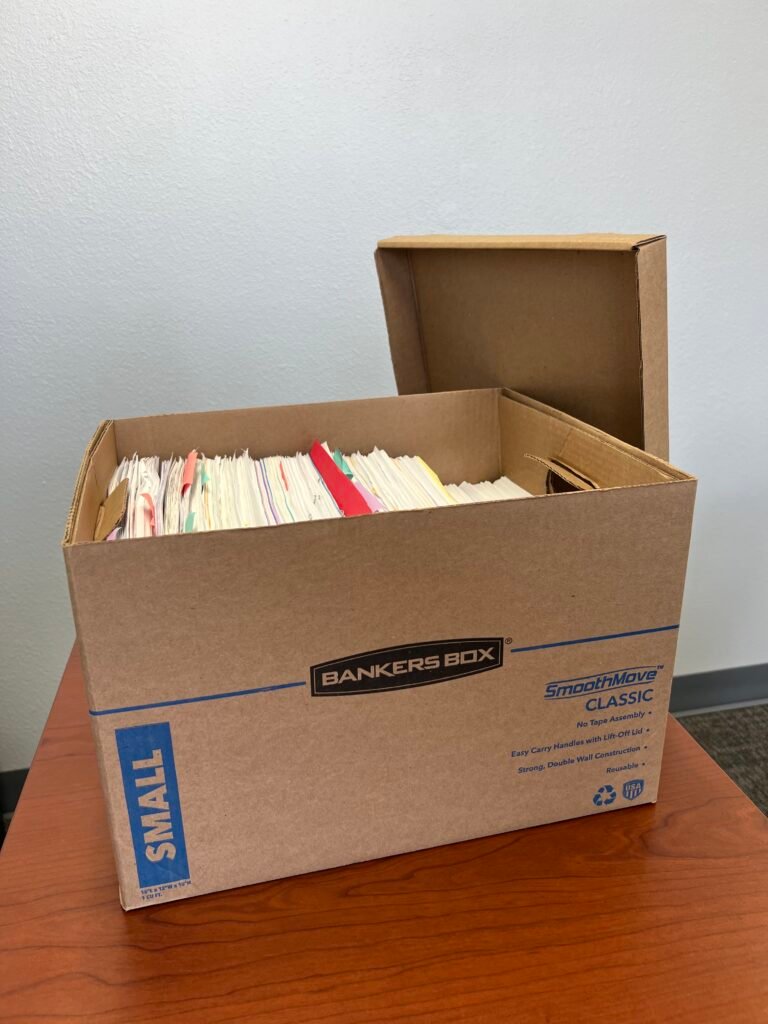
Looking for reliable shredding, scanning, archiving, media conversion, cloud, and more services? Contact Liberty today for a free, no-obligation quote. Whether it’s a single-file box or an ongoing service agreement, we’ll help you choose the right solution for your home or business.
Questions and Answers
Why do Trusts & Estates practices need secure records archiving?
Trusts & Estates practices handle highly sensitive client and financial documents. Secure archiving ensures these records are protected, organized, and easily accessible while maintaining compliance with legal and fiduciary standards.
What types of documents should be archived in Trusts & Estates?
Key documents include wills, trusts, probate records, financial statements, powers of attorney, tax documents, and client correspondence. These records often require long-term, secure storage.
How does digital archiving improve document access?
Digital archives allow files to be indexed and searched by client name, date, or document type, making it faster and easier to locate critical information when needed.
Is client confidentiality maintained during the archiving process?
Yes. Professional archiving services use secure chain-of-custody procedures, encryption, and controlled access systems to ensure all sensitive client information remains confidential.
Can Trusts & Estates firms manage both physical and digital records?
Absolutely. Many practices use hybrid solutions that combine secure physical storage with digital archiving, providing flexibility while maintaining compliance and accessibility.