
Why Financial Accounting Teams Are Turning to Secure Records Archiving
Why Financial Accounting Teams Are Turning to Secure Records Archiving: Financial accounting generates a large volume of sensitive documents, from general ledgers and financial statements to bank reconciliations and audit records. Properly managing these files is critical for accuracy, compliance, and operational efficiency.
Without organized archiving, accounting teams can face lost documents, delayed reporting, and increased risk of regulatory non-compliance. Secure records archiving provides a centralized, searchable solution that protects sensitive information while streamlining access for audits, reporting, and day-to-day accounting operations.
Key Benefits of Archiving Financial Accounting Records
- Improved Document Access: Indexed and searchable digital archives make it easy to locate transaction records, financial statements, and supporting documentation quickly.
- Enhanced Compliance and Security: Proper archiving helps meet regulatory requirements, including financial audits, IRS reporting, and internal controls, while protecting sensitive data.
- Reduced Physical Storage Needs: Converting paper records to digital files frees up office space and minimizes the risk of damage or loss.
- Better Workflow Efficiency: With organized records and fast retrieval times, accountants and finance teams can focus on reporting, analysis, and client service rather than managing paper files.
Types of Financial Records That Benefit From Archiving
- General ledgers and journal entries
- Financial statements and balance sheets
- Accounts payable and receivable files
- Bank statements and reconciliations
- Audit and compliance documentation
- Transaction histories and supporting paperwork
Archiving ensures these records remain secure, organized, and easily retrievable when needed for reporting, audits, or client requests.
Implementing an Archiving Strategy
A successful financial accounting archiving system should include:
- Consistent indexing and naming conventions for fast retrieval
- Secure digital storage with encryption and access controls
- Hybrid options combining physical and digital archives if needed
- Audit-ready organization to support compliance requirements
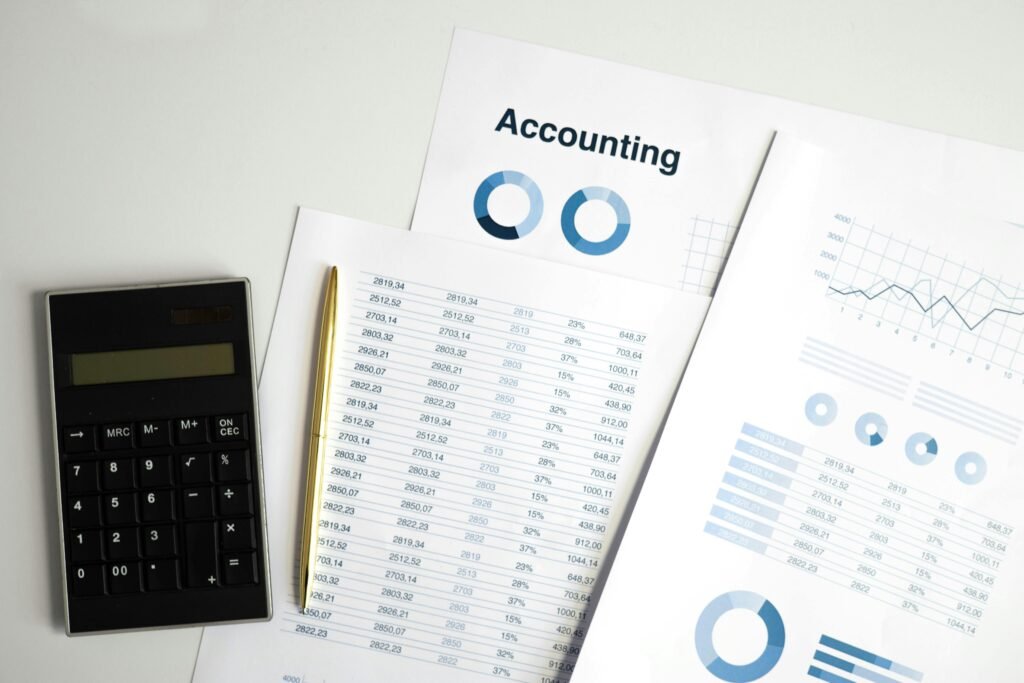


By partnering with a professional provider like Liberty Archives, accounting teams can reduce administrative burden, maintain compliance, and protect sensitive financial information.
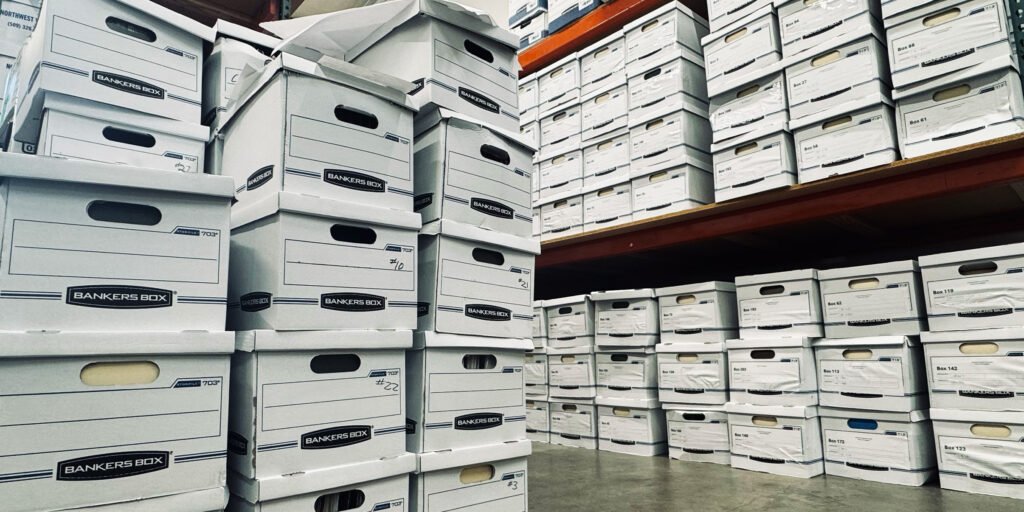
Modernizing Financial Accounting
Secure records archiving allows finance teams to:
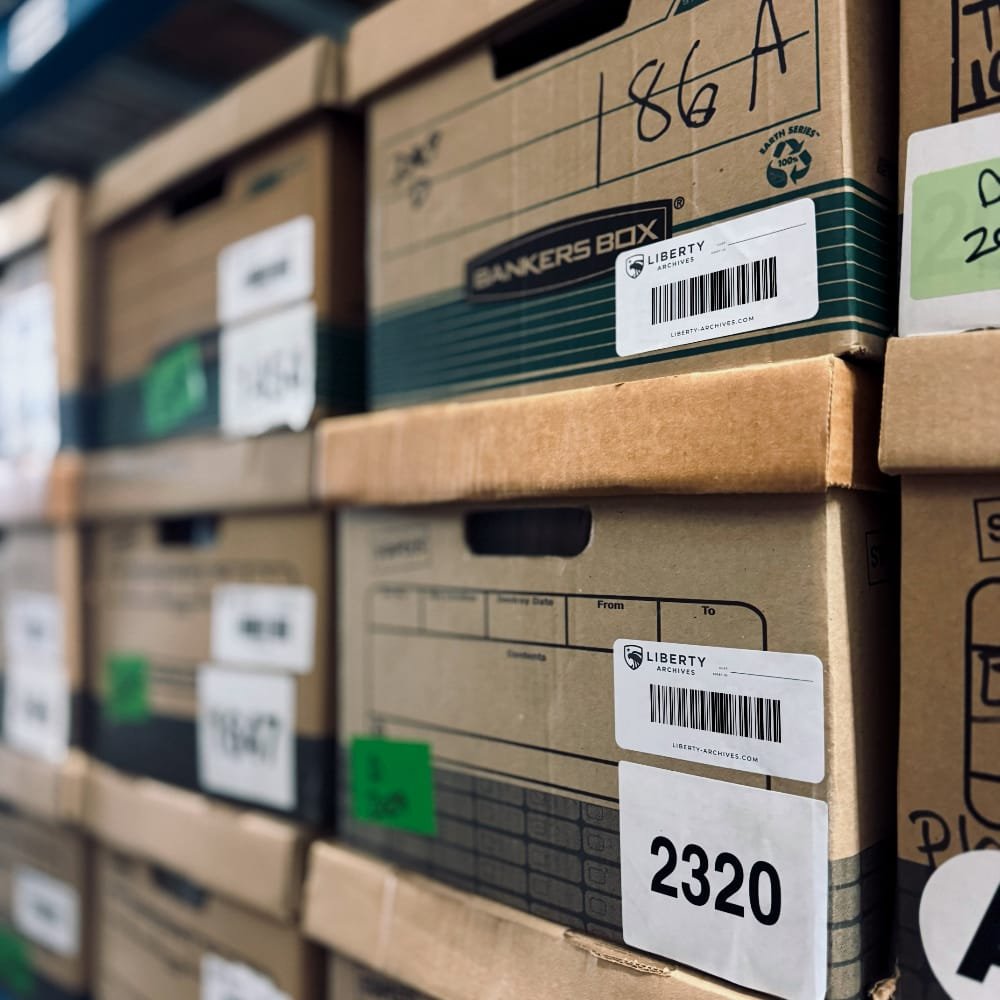
- Streamline access to critical financial data
- Improve operational efficiency and reporting accuracy
- Maintain regulatory compliance and audit readiness
- Protect sensitive client and organizational information
Liberty Archives helps organizations transform their financial accounting records into secure, searchable archives, providing peace of mind and operational efficiency. By digitizing and organizing records, teams can access critical financial information instantly while reducing storage costs and minimizing compliance risks.
Looking for reliable shredding, scanning, archiving, media conversion, cloud, and more services? Contact Liberty today for a free, no-obligation quote. Whether it’s a single-file box or an ongoing service agreement, we’ll help you choose the right solution for your home or business.
Questions and Answers
Why do financial accounting teams need secure records archiving?
Financial accounting generates sensitive documents like ledgers, statements, and transaction records. Secure archiving protects these files, ensures regulatory compliance, and improves workflow efficiency.
What types of financial records should be archived?
Key records include general ledgers, financial statements, accounts payable/receivable files, bank reconciliations, audit reports, and supporting transaction documents.
How does digital archiving improve access to financial records?
Digital archives allow records to be indexed and searched by client, account, or date, enabling fast, reliable access for audits, reporting, and daily operations.
Are archived financial records compliant with regulations?
Yes. Professional archiving services follow strict chain-of-custody protocols, data encryption, and controlled access to ensure compliance with IRS, HIPAA, and financial privacy standards.
Can accounting teams combine physical and digital archives?
Absolutely. Many organizations use hybrid solutions, storing sensitive physical documents securely while maintaining searchable digital records for easy access and backup.