
Floods, Fires, and “I Can’t Believe We Lost That File” Moments — Why Document Archiving Actually Matters
Floods, Fires, and “I Can’t Believe We Lost That File” Moments — Why Document Archiving Actually Matters: If you’ve ever dealt with a flood, fire, or even a simple leak, you know how quickly things can go wrong.
And it’s usually not the computers people worry about first—it’s the paper.
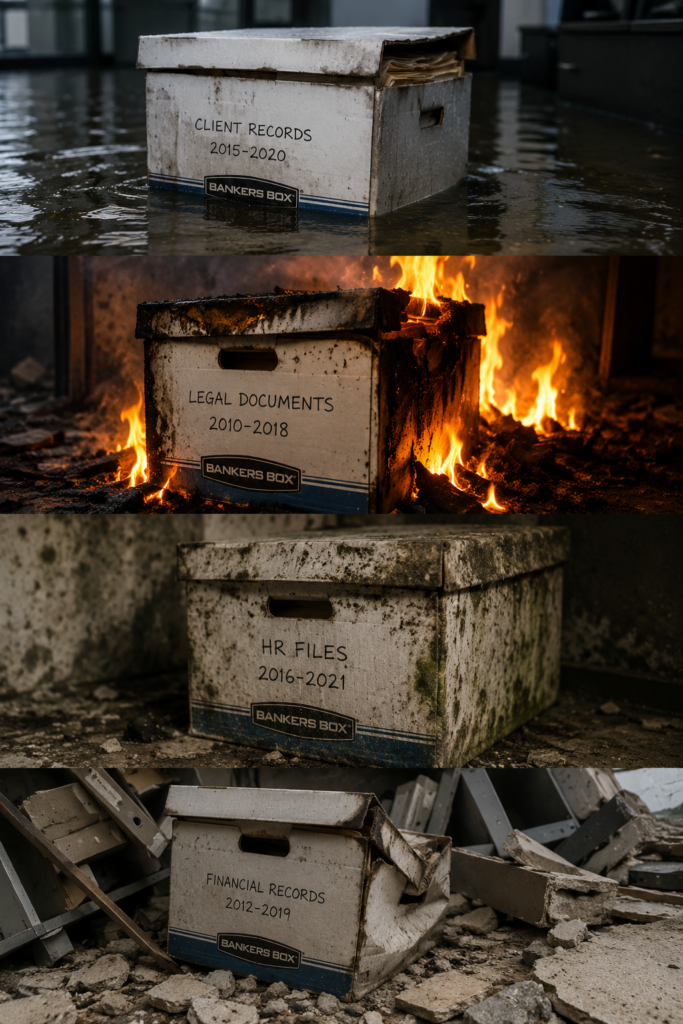
Contracts, client records, HR files, legal documents, and old invoices can all be destroyed in minutes by water or fire.
That’s when document archiving and scanning stop being “nice to have” and become something you wish you had in place long before it happened.
Disasters Don’t Give You a Warning
Flooding doesn’t care if your filing cabinet was organized.
Fire doesn’t pause to check what’s important.
And even smaller issues—like roof leaks, sprinkler malfunctions, or storage room humidity—can quietly destroy years of paperwork without anyone noticing until it’s too late.
Most businesses don’t think about this stuff until after it happens.
That’s usually the worst time to start thinking about it.
Paper Records Are More Vulnerable Than You Think
We tend to assume “it’s in a box, so it’s safe.”
But paper has a lot of weak points:
- Water damage makes it unreadable fast
- Fire can completely destroy originals in minutes
- Mold can spread in storage areas without warning
- Ink can fade over time even without disasters
Once physical documents are gone, there’s no “restore backup” button.
This Is Where Archiving Actually Saves You
Document archiving isn’t just storage—it’s protection and structure.
At Liberty Archives, the goal is simple: make sure your records are still accessible even if your physical space isn’t.
That means:
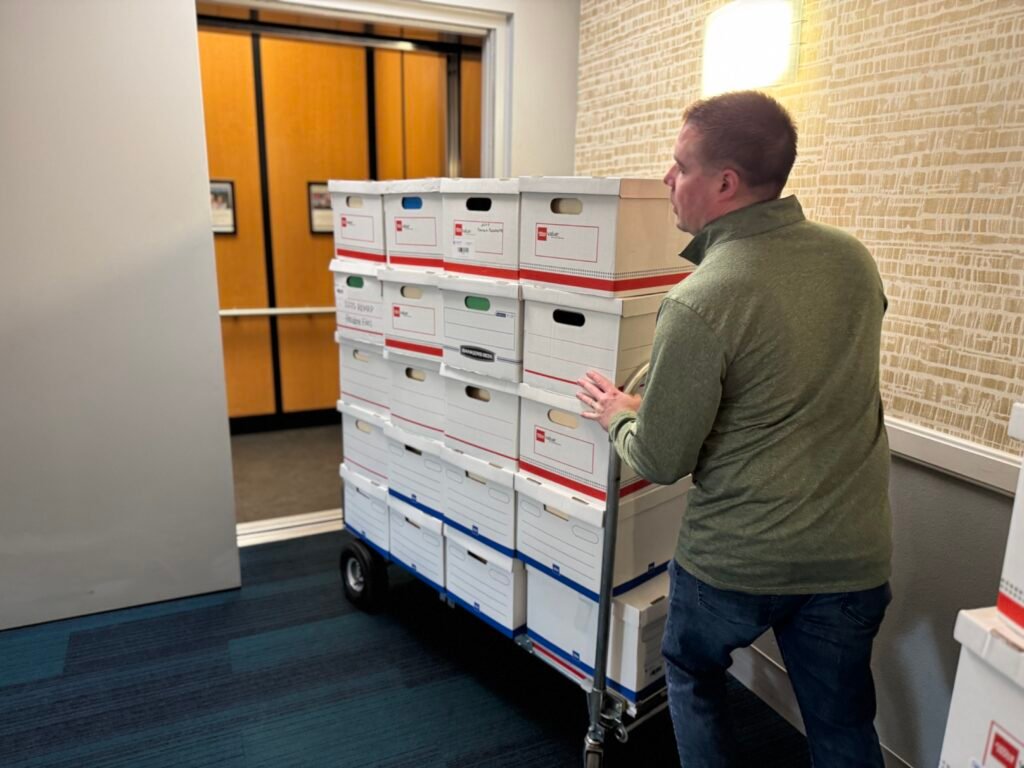
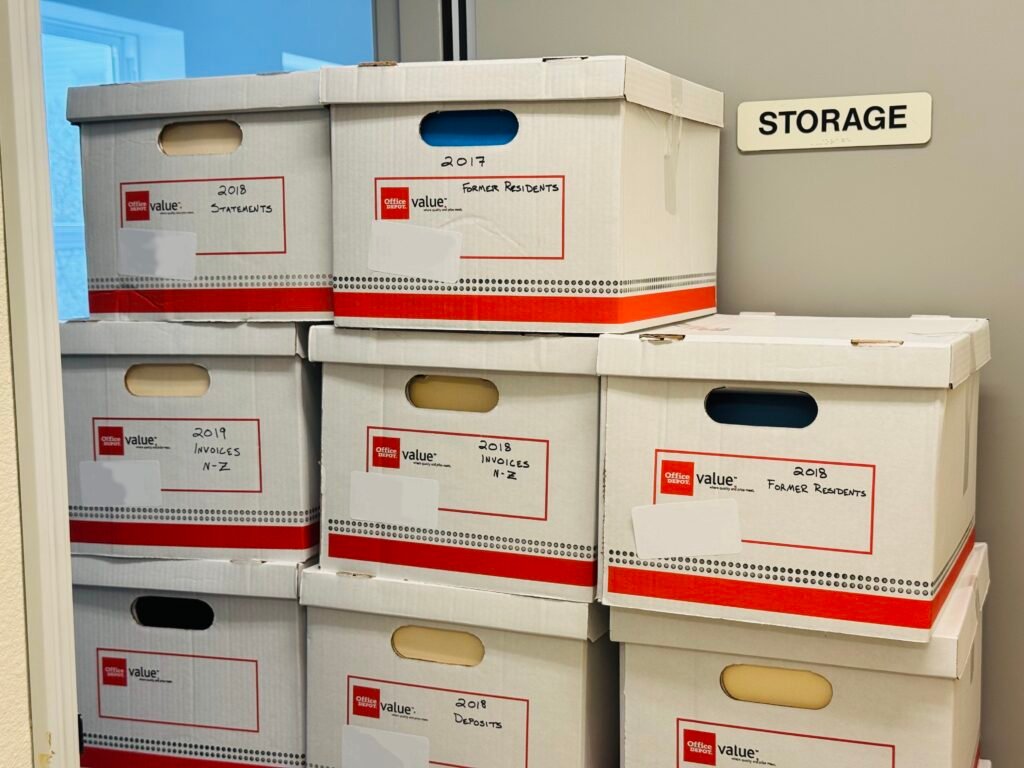
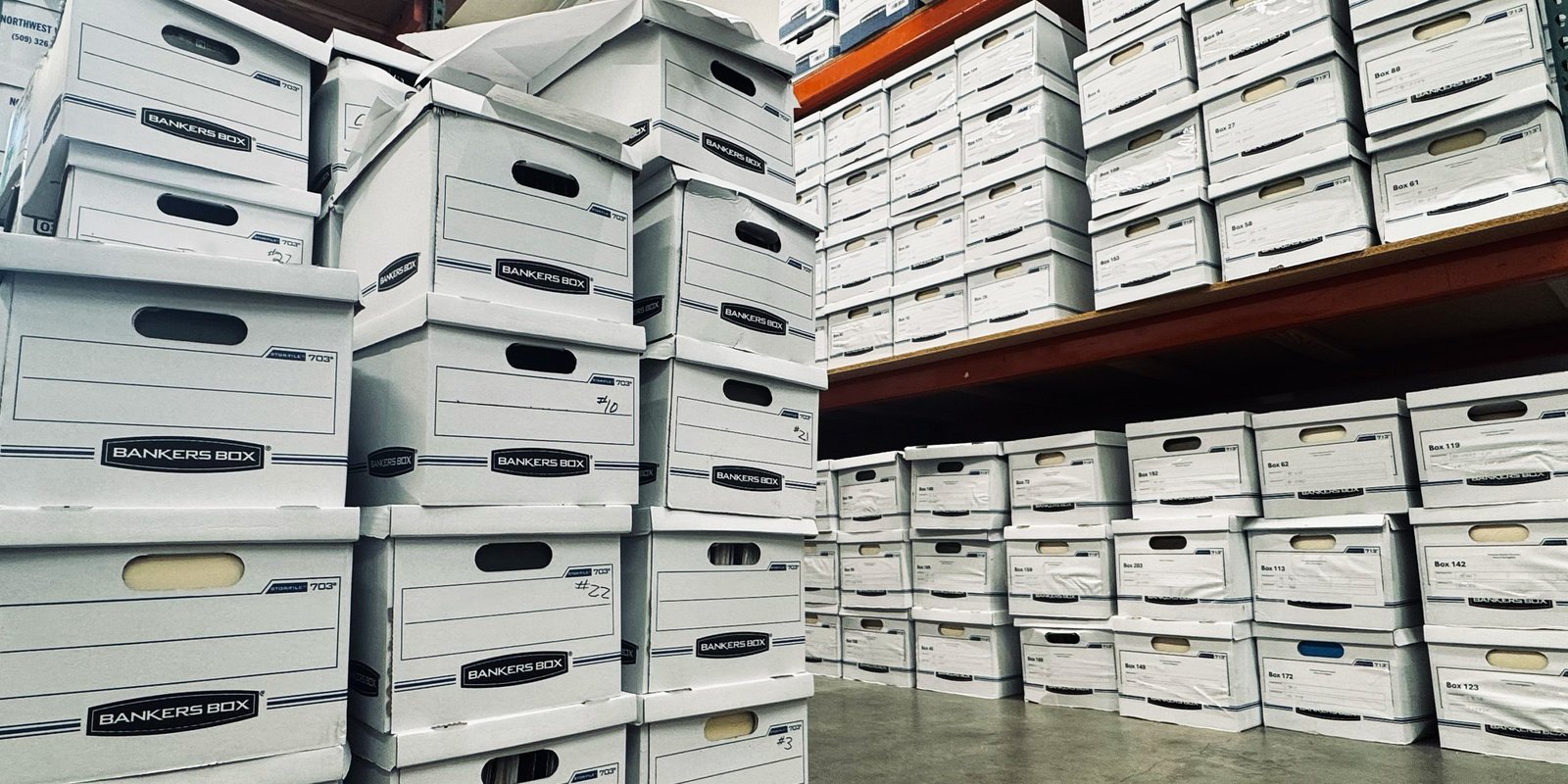
- Secure off-site storage so everything isn’t sitting in one risky location
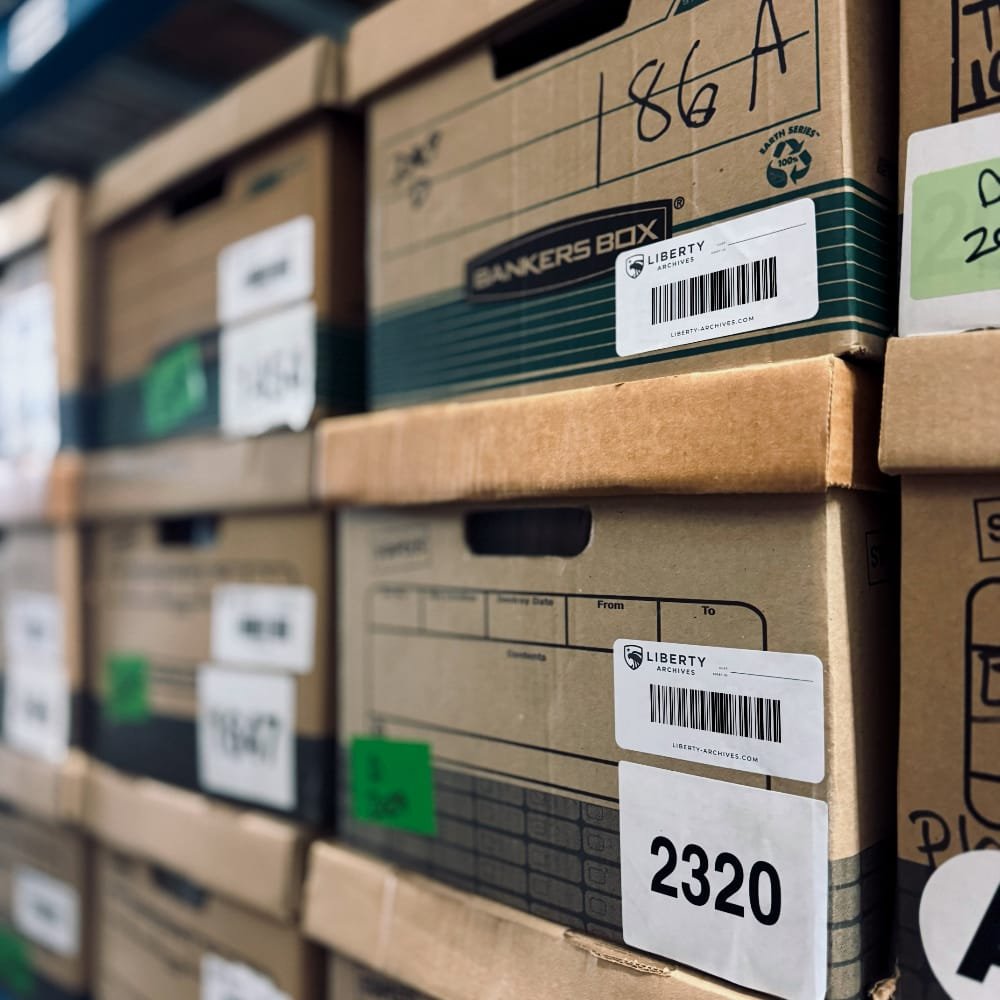
- Organized indexing so nothing gets lost in the shuffle
- Controlled handling so documents stay protected from start to finish
So if something happens in your building, your records aren’t tied to it.
Scanning Is the Real Game-Changer
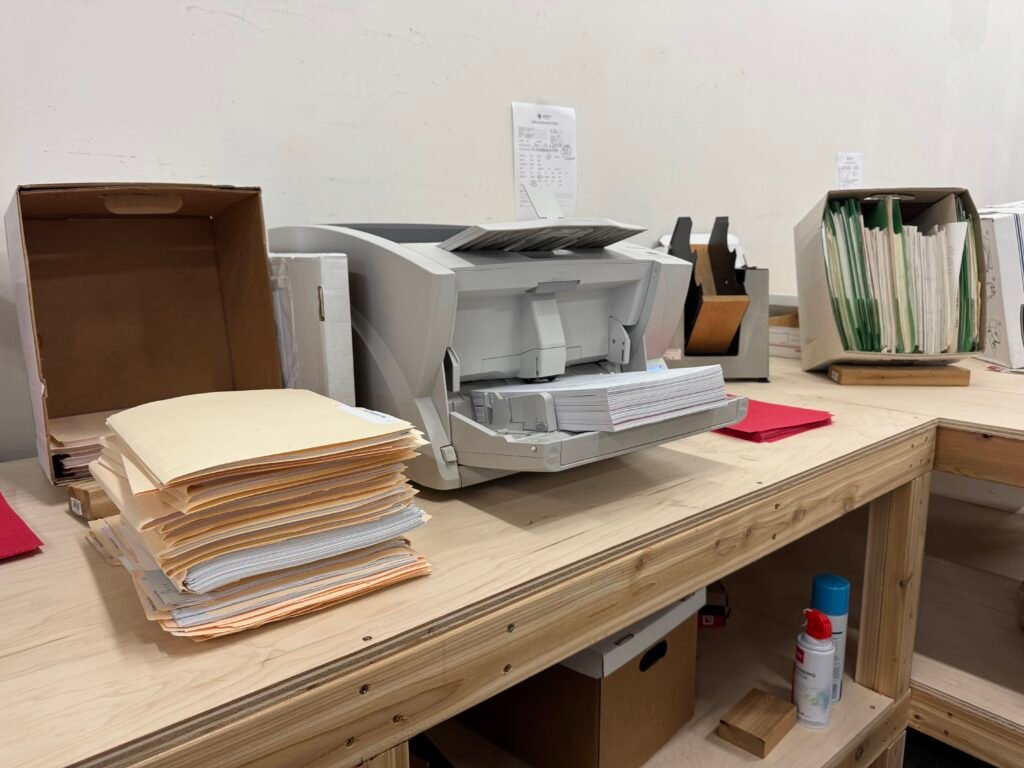
If archiving protects the physical side, scanning protects everything else.
Once your documents are scanned, they become:
- Searchable
- Digitally stored
- Easy to access from anywhere
- Safe from physical damage entirely
Even better, OCR (optical character recognition) means you’re not just storing images—you’re storing usable, searchable information.
So instead of digging through boxes after a disaster, you’re just searching a file name or keyword.
The “We’ll Deal With It Later” Problem
Most businesses don’t ignore document protection because they don’t care. It usually comes down to a few common reasons:
- They’re busy and focused on day-to-day operations
- The process feels overwhelming or hard to prioritize
- Nothing bad has happened yet, so it doesn’t feel urgent
- Physical storage still “seems fine for now”
Until it isn’t.
By the time it becomes a problem, you’re dealing with recovery instead of prevention. That shift is exactly why archiving and scanning matter—they move you out of reaction mode and into control.
Real Talk: It’s Not Just About Disasters
Even outside of floods or fires, digital archiving makes life easier every day.
You get:
- Faster audits
- Easier compliance checks
- Less office clutter
- Better organization across teams
- No more “who has that folder?” moments
It’s not just protection—it’s efficiency.
How Liberty Archives Fits Into This
We built Liberty Archives around one idea: your records should never be one accident away from disappearing.
So whether it’s:
- Secure records storage
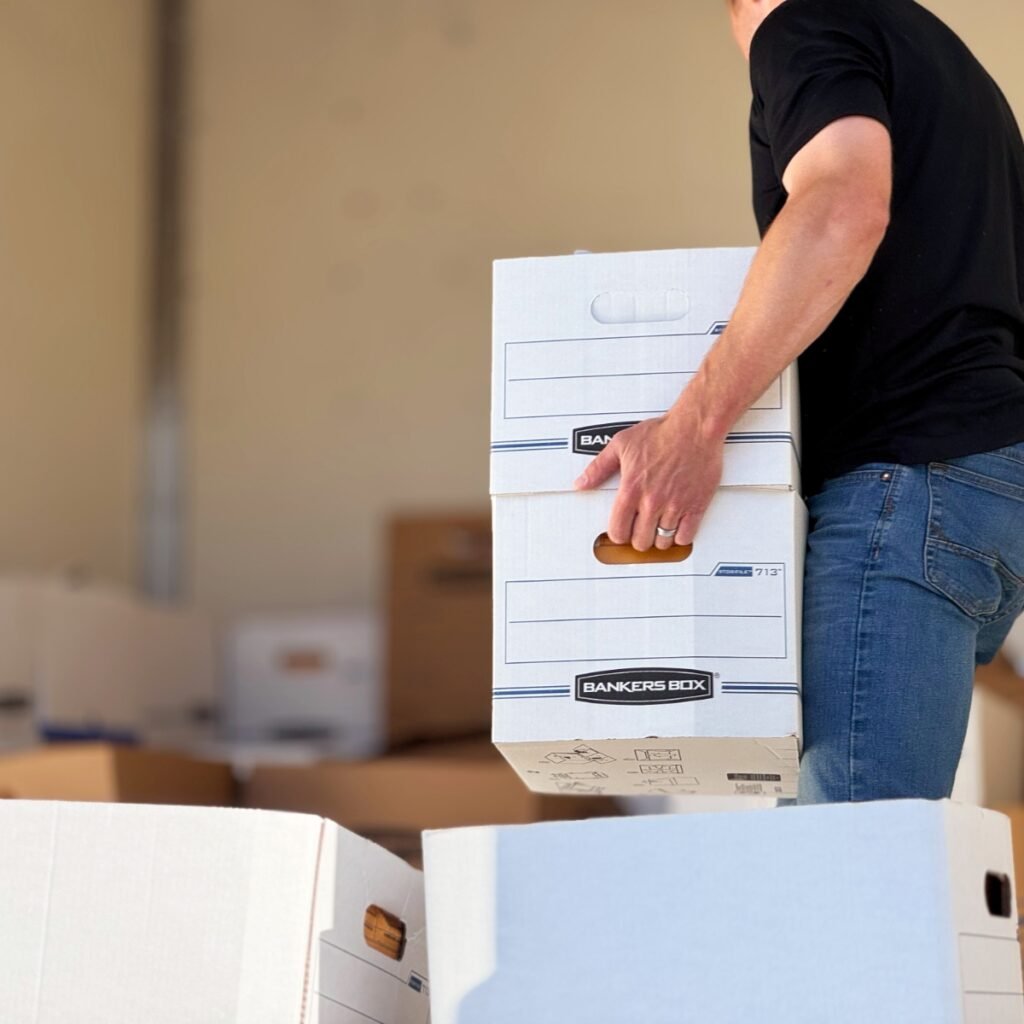
- Bankers box archiving
- Document scanning with OCR
- Or long-term digital access through Liberty Cloud
The goal is the same: keep your information safe, organized, and recoverable no matter what happens.
Partner with Liberty Archives
Floods, fires, leaks, accidents, and storage issues happen more often than most people think. The question isn’t if your records could be damaged—it’s what happens when they are. Archiving and scanning help ensure that when things go wrong, your documents don’t disappear with them, keeping your business information safe, accessible, and recoverable. Because rebuilding a business is hard enough without also trying to recreate the paperwork that ran it.
Looking for reliable shredding, scanning, archiving, media conversion, cloud, and more services? Contact Liberty today for a free, no-obligation quote. Whether it’s a single-file box or an ongoing service agreement, we’ll help you choose the right solution for your home or business.
Document Archiving & Disaster Recovery FAQ
Why is document archiving important for disaster recovery?
Document archiving protects critical records from loss due to floods, fires, theft, or system failure, ensuring your business can recover quickly and continue operating.
What types of disasters can affect physical documents?
Common risks include water damage from floods, fire damage, mold, theft, and accidental misplacement during daily operations or moves.
How does scanning and digital archiving help prevent file loss?
Scanning creates secure, searchable digital copies of your documents, so even if physical records are damaged, your information is still fully accessible.
Is document archiving only necessary for large businesses?
No, businesses of all sizes rely on critical records. Even small losses—like a single contract or client file—can create major operational issues.
How quickly can archived documents be accessed in an emergency?
With proper indexing and secure digital storage, archived documents can typically be retrieved within minutes, depending on your system setup.