
Why Records Archiving Is Critical for Commercial Architects
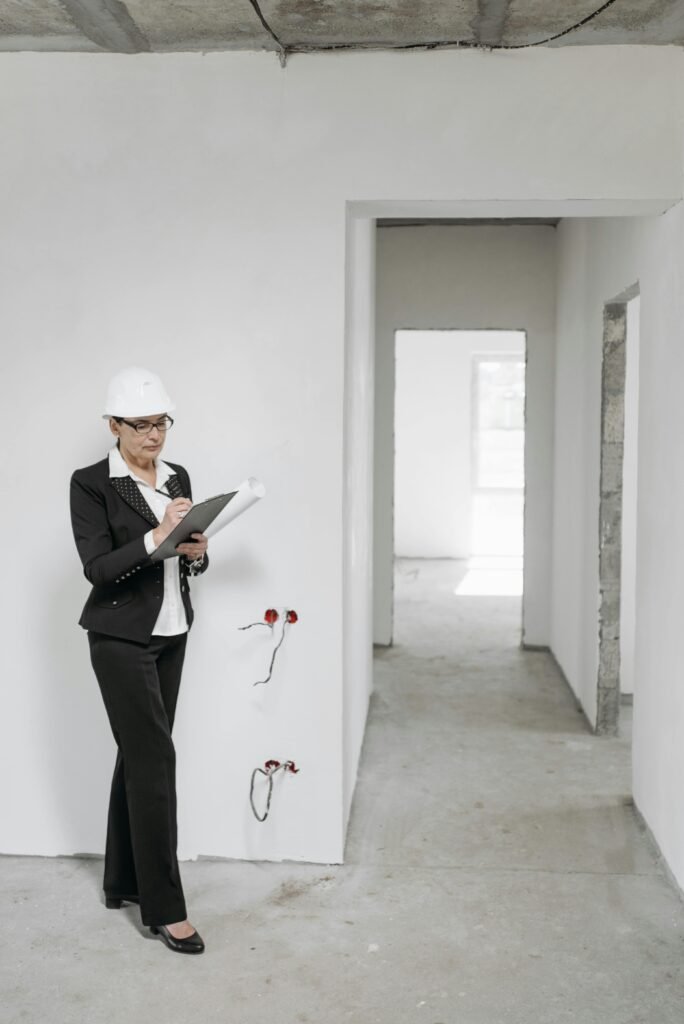
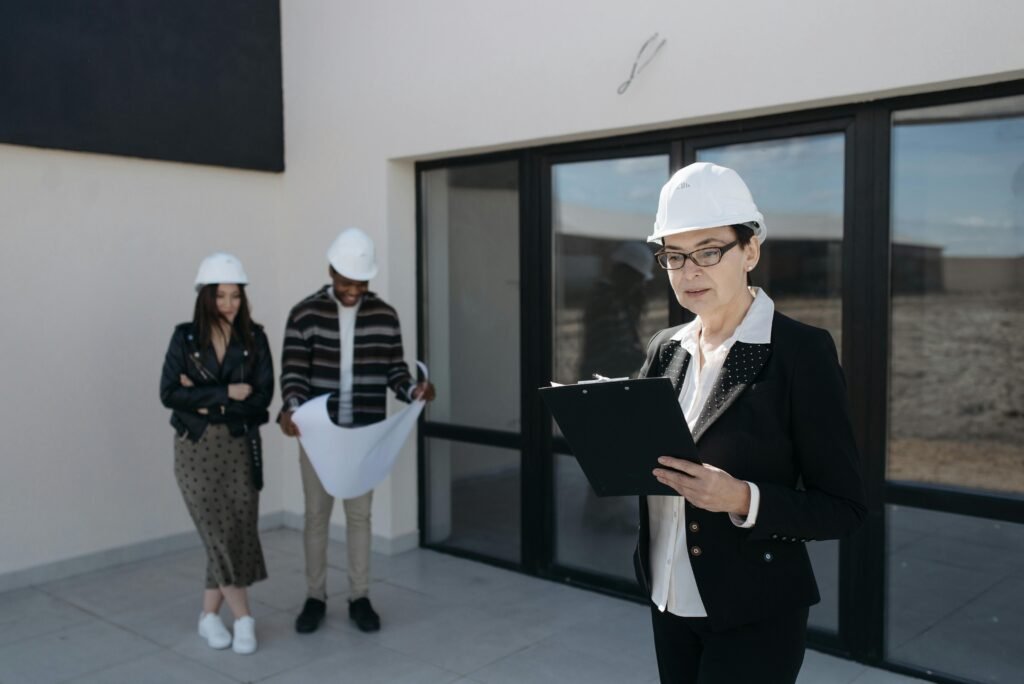
Commercial architecture projects are complex, high-value, and documentation-heavy. From concept development through final construction and beyond, firms generate a significant volume of drawings, specifications, contracts, revisions, and compliance records.
Yet once a project is complete, many firms struggle with a common question:
Where do all these records go — and how long should we keep them?
Professional records archiving provides the structure, protection, and accessibility commercial architects need to safeguard their project history without overwhelming their office space.
The Documentation Volume in Commercial Architecture
Unlike smaller residential builds, commercial projects often involve:
- Multi-phase development timelines
- Large consultant teams
- Engineering coordination
- Extensive regulatory approvals
- Long-term liability exposure
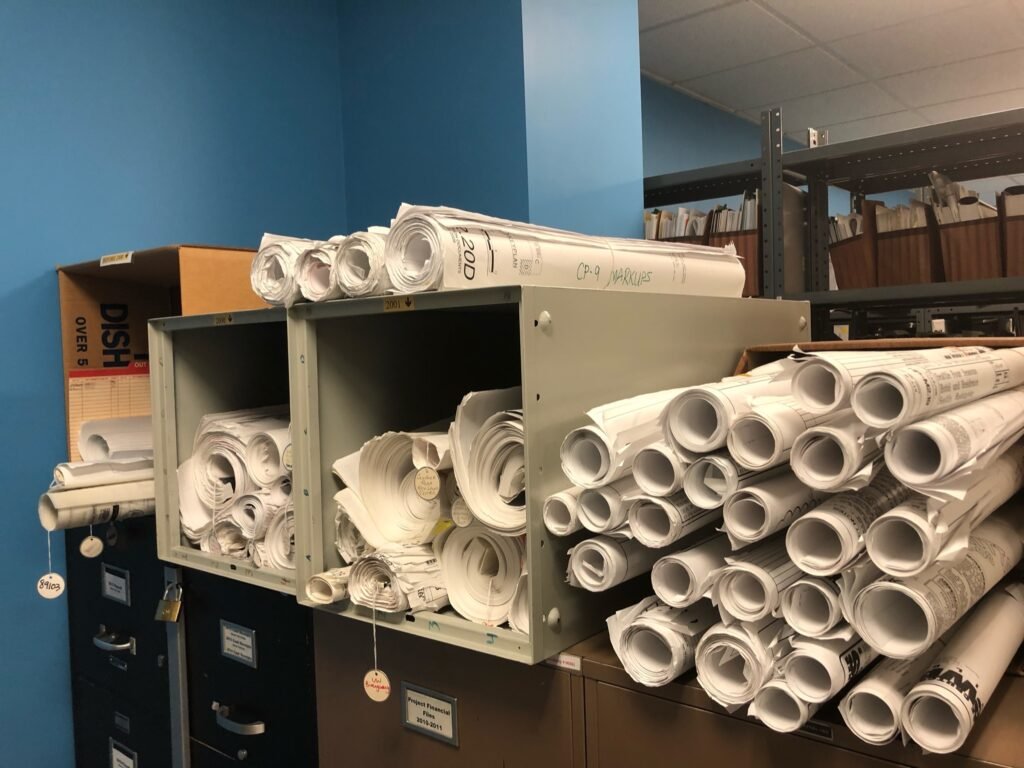
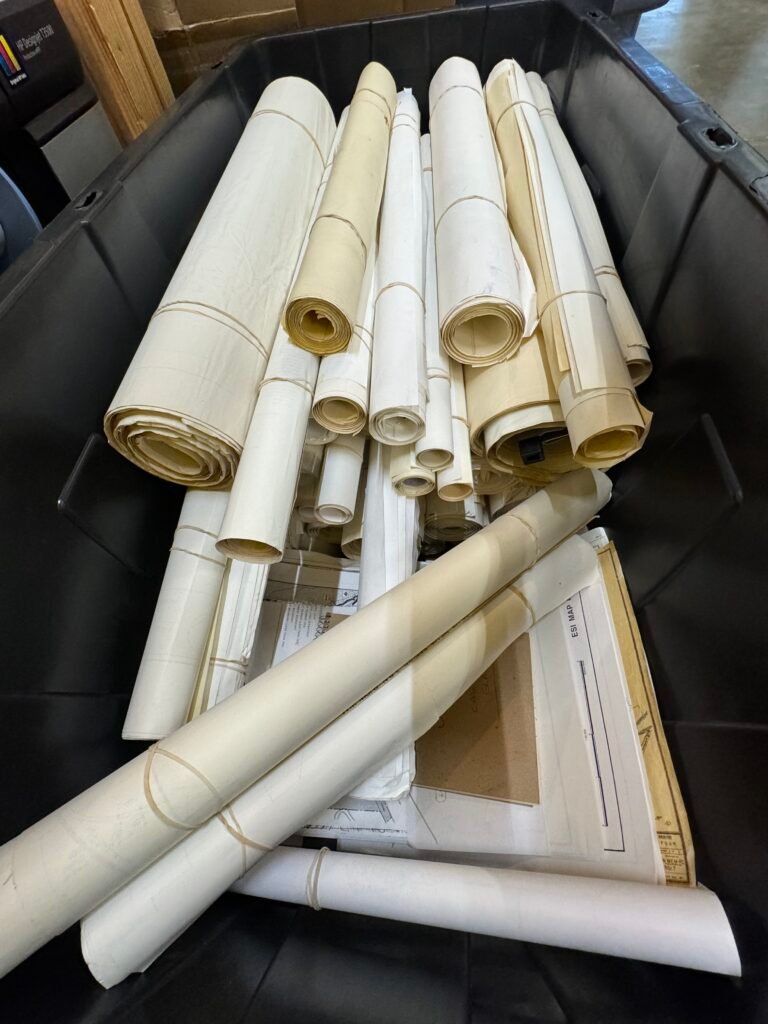
Each of these components generates documentation that must be retained for years — sometimes decades. Construction drawings, as-built plans, change orders, and contracts may be required for renovations, audits, insurance claims, or legal review long after the building is complete.
Without a formal archiving system, these critical documents can become difficult to locate or improperly stored.
Why Office Storage Isn’t a Long-Term Solution
Many commercial architecture firms attempt to store project records internally. Over time, this approach creates several operational challenges:
- Storage rooms become overcrowded
- Older projects are difficult to locate
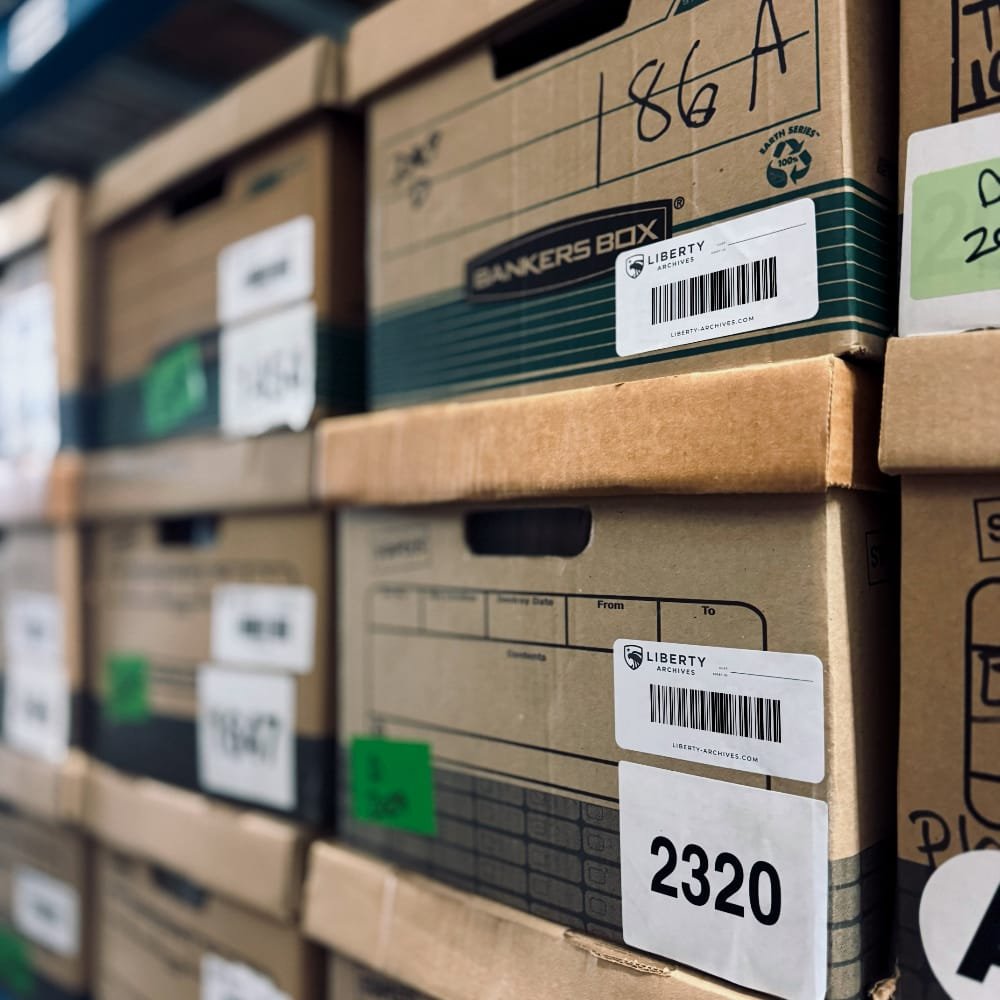
- Boxes lack consistent labeling or indexing
- Staff spend unnecessary time searching for files
- Physical documents risk damage or loss
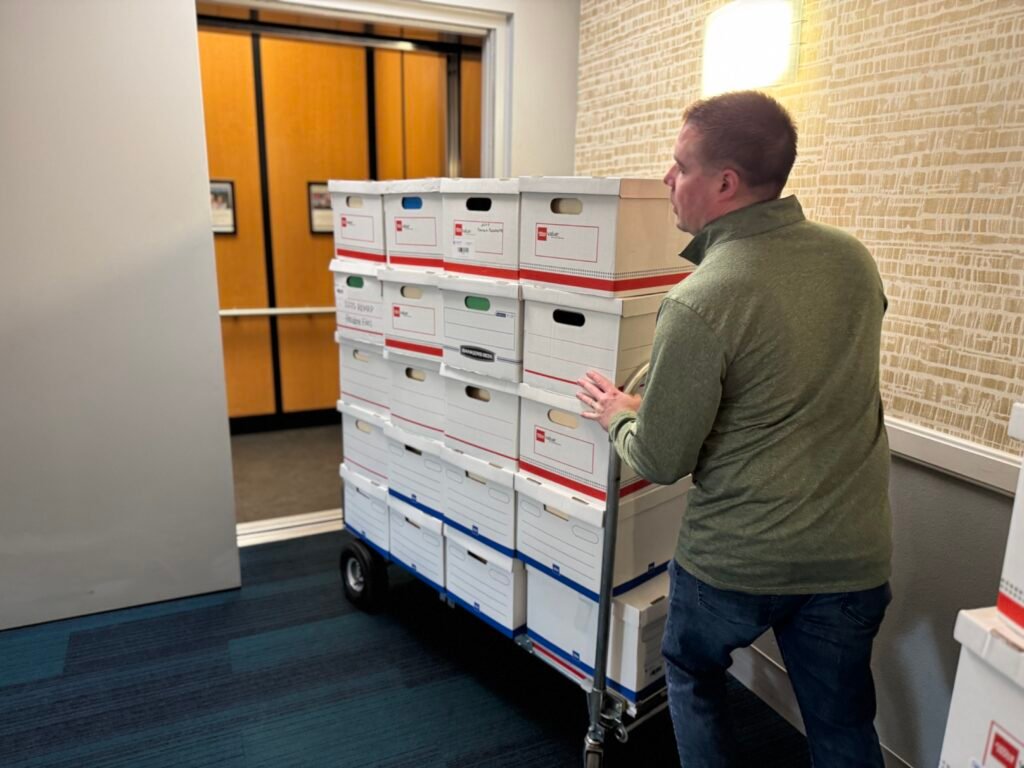
Old project files take up valuable office space, while off-site archiving frees up room and keeps your documents accessible when needed.
Protecting Against Liability and Compliance Risks
Commercial architectural firms face extended liability exposure. Documentation may be required for:
- Renovations and expansions
- Dispute resolution
- Regulatory compliance reviews
- Insurance matters
- Client record requests
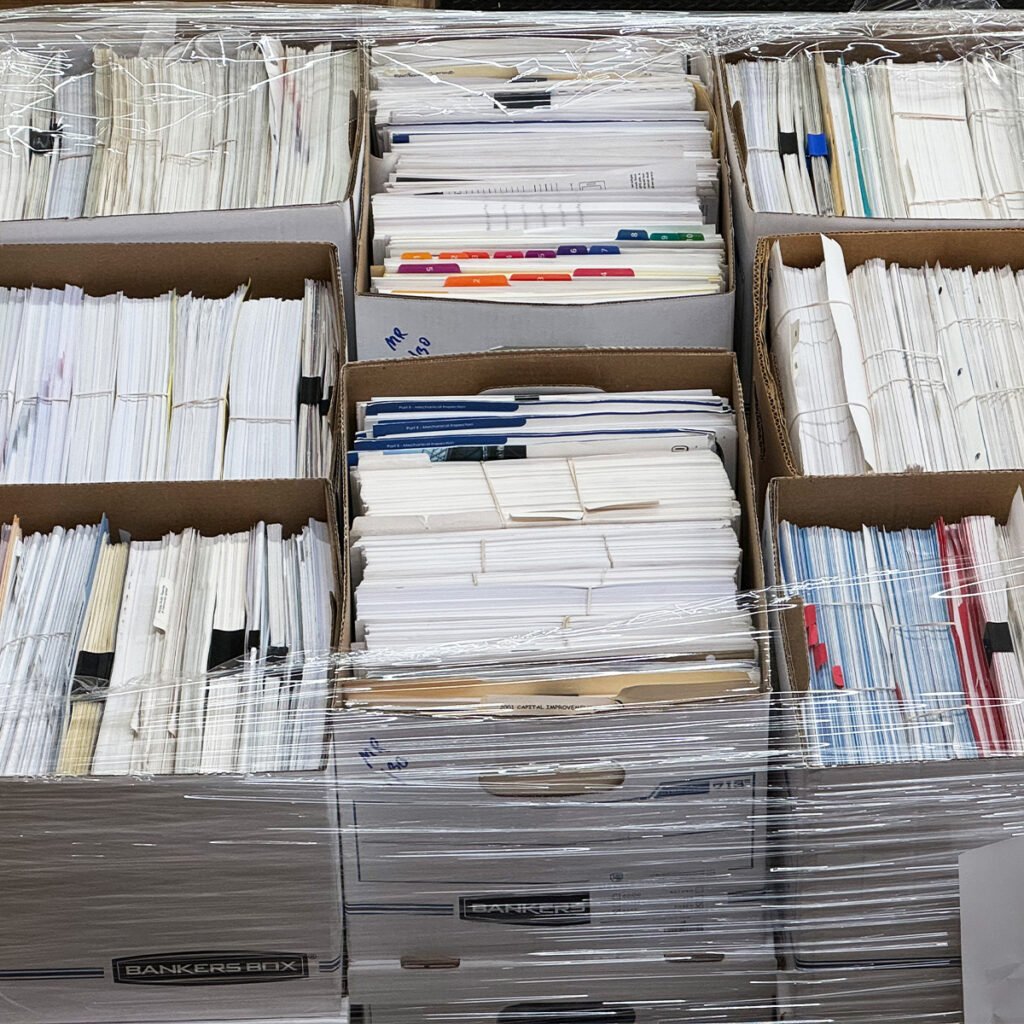
An organized, professionally managed archive ensures your firm can quickly respond to documentation requests. Fast retrieval reduces stress, protects your reputation, and demonstrates operational professionalism.
The Benefits of Structured Records Archiving
A well-designed archiving solution provides:
1. Organized Inventory Tracking
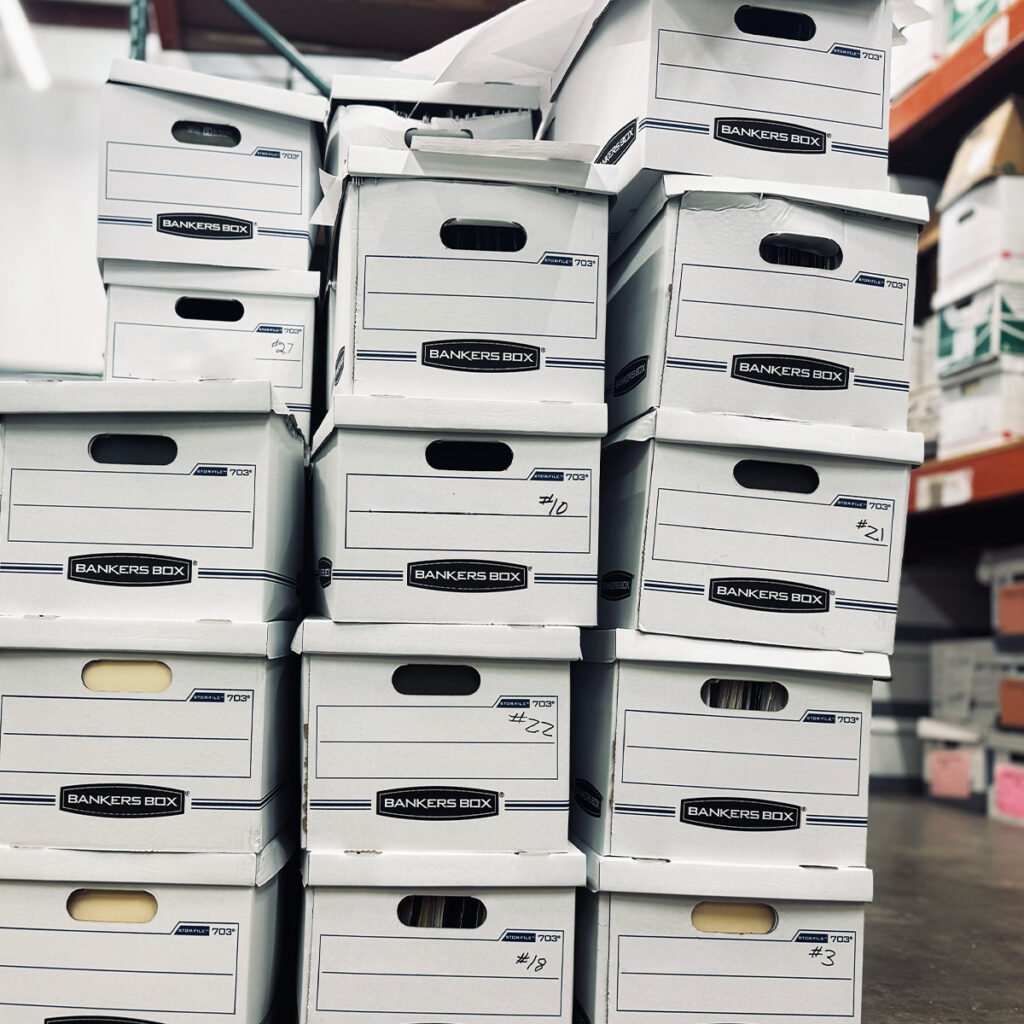
Every box and file is inventoried and indexed for structured management.
2. Secure, Controlled Storage
Records are housed in a monitored, organized facility designed for long-term retention.
3. Efficient Retrieval
When your firm needs historical drawings or contracts, retrieval is handled quickly and accurately.
4. Reduced Internal Storage Strain
Free up valuable office space while maintaining complete control over your documentation.
5. Optional Digital Conversion
When ready, firms can convert select archives into searchable digital formats without committing to a full immediate transition.
Supporting the Long Lifecycle of Commercial Projects
Commercial buildings often evolve over time. Expansions, tenant improvements, and renovations require access to original project documentation. Without organized archives, locating older plans can delay progress and create unnecessary frustration.
Structured records archiving ensures that project history remains accessible and protected for the full lifecycle of the property.
Focus on Design — Not Storage
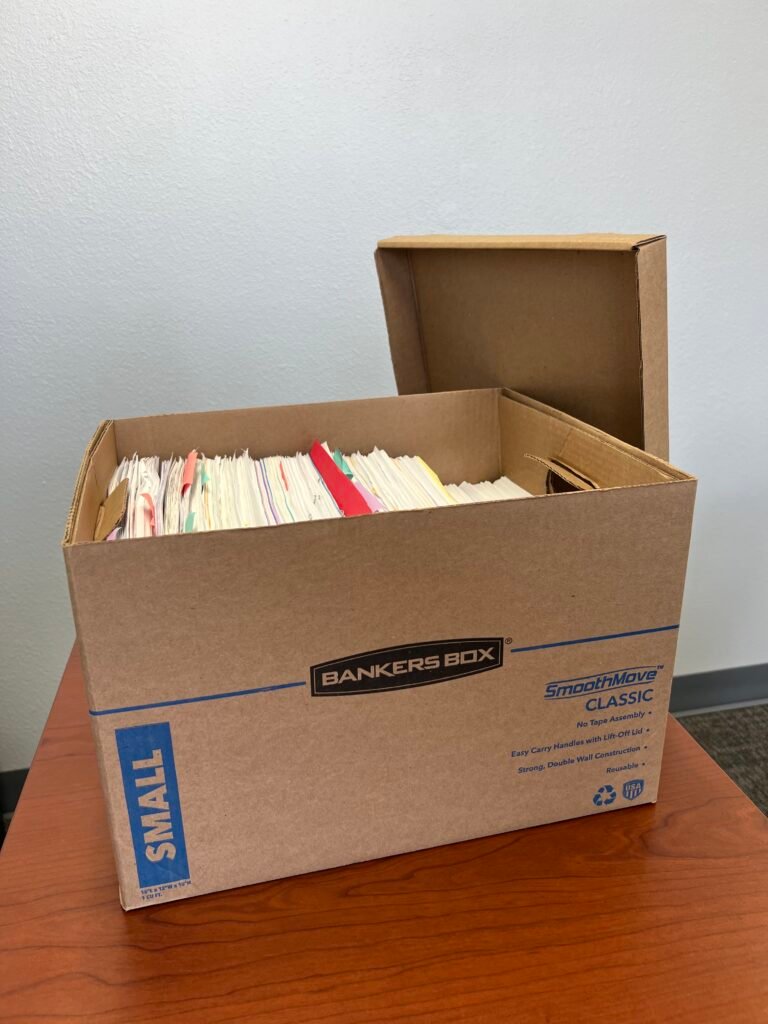
Commercial architects are experts in design, planning, and project execution. Managing long-term document storage should not distract from billable work or strategic growth.
Professional records archiving allows your firm to:
- Maintain operational efficiency
- Protect valuable documentation
- Support compliance and liability requirements
- Improve long-term organization
With a structured archiving system in place, your team can focus on current projects while knowing past documentation is secure and accessible.
Final Thoughts
Records archiving is more than storage — it’s a risk management and operational efficiency strategy for commercial architecture firms. As project complexity grows, so does the need for structured, reliable documentation management.
An organized archive protects your firm’s history, supports future development, and ensures your documentation works for you — not against you.
Partner with Liberty Archives
Looking for reliable shredding, scanning, archiving, media conversion, cloud, and more services? Contact Liberty today for a free, no-obligation quote. Whether it’s a single-file box or an ongoing service agreement, we’ll help you choose the right solution for your home or business.
Questions and Answers
Why do commercial architects need records archiving?
Commercial architects need records archiving to securely store construction drawings, contracts, permits, and project files for long-term reference. Proper archiving protects against liability risks, supports compliance requirements, and ensures documents can be quickly retrieved for renovations or audits.
How long should commercial architecture firms keep project records?
Retention timelines vary, but many commercial architecture firms keep project records for several years — sometimes decades — due to liability exposure, regulatory requirements, and future renovation needs. A structured archiving system helps manage long-term retention efficiently.
What types of documents should commercial architects archive?
Commercial architects should archive construction drawings, as-built plans, design development documents, contracts, change orders, permits, compliance records, and client correspondence. These documents may be required for future modifications, legal matters, or insurance claims.
Is off-site records storage secure for architectural firms?
Yes, professional off-site records storage facilities are designed with controlled access, inventory tracking, and organized systems to protect sensitive project documentation while maintaining quick retrieval when needed.
What are the benefits of off-site archiving for commercial architects?
Off-site archiving frees up office space, improves organization, reduces document loss risk, and ensures fast access to historical project files. It allows architectural firms to focus on active projects without sacrificing long-term document security.