
Why Records Archiving Is Essential for Apartment Management Companies
Apartment management companies operate in a fast-paced environment where documentation supports nearly every decision, interaction, and transaction. From tenant applications and lease agreements to maintenance logs and legal notices, the volume of records generated across multiple properties can quickly become overwhelming.
Without a structured records archiving system, critical documentation can become disorganized, difficult to retrieve, or vulnerable to compliance and legal risk.
Professional records archiving is not just about storage — it is about protecting your properties, tenants, and business operations.
The Volume of Tenant & Property Records
Every apartment community generates documentation tied to:
- Lease agreements and renewals
- Tenant screening and background checks
- Move-in and move-out inspections
- Maintenance and repair history
- Rent payment records
- Vendor contracts and invoices
- Insurance and compliance documentation
- Eviction notices and legal filings
Over time, these records accumulate across properties and management offices. Keeping them organized and accessible becomes increasingly challenging without a clear system in place.

Off-Site Storage Without Losing Access
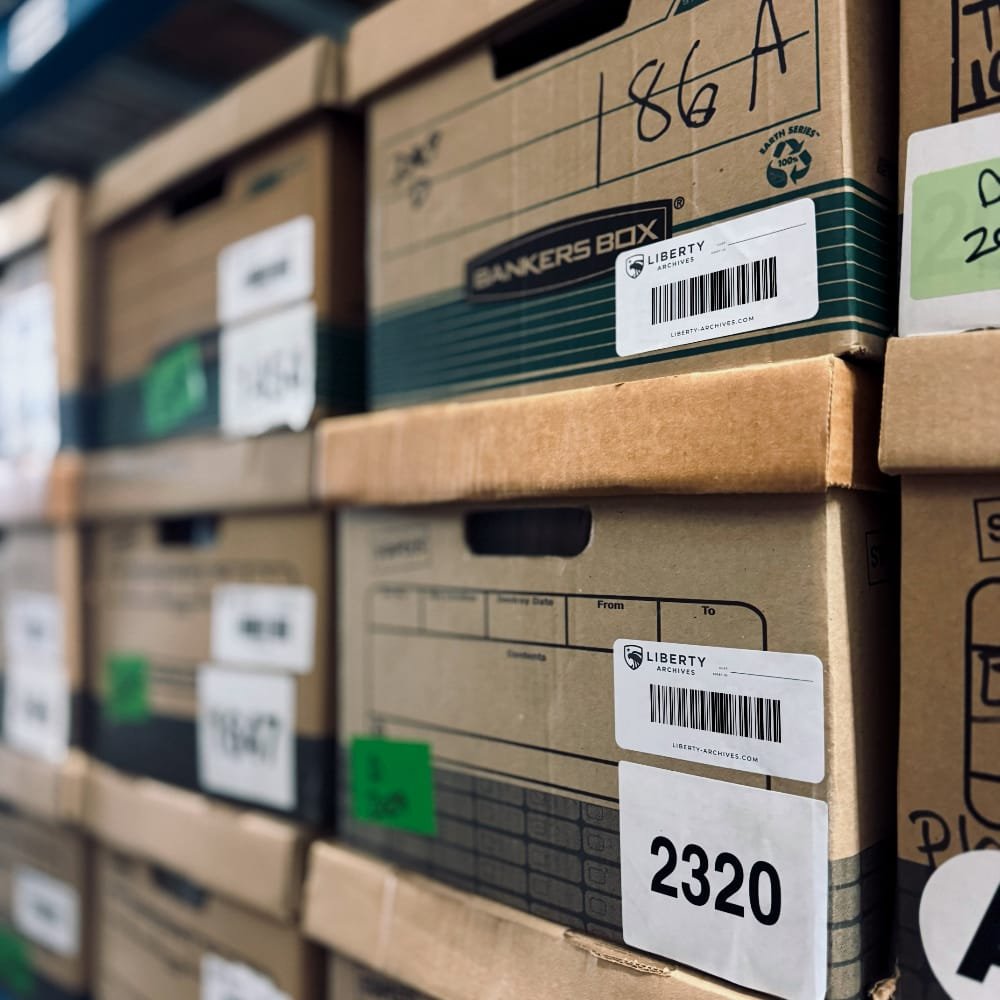
Many property managers worry that off-site archiving means losing control of their files. In reality, a professionally managed system improves organization and retrieval efficiency.
With structured indexing and inventory tracking, files can be requested for:

Compliance and Legal Protection
Apartment management companies must comply with housing regulations, fair housing laws, local ordinances, and financial reporting requirements. In the event of a dispute, audit, or legal claim, documentation becomes your strongest defense.
When records cannot be located quickly, it can:
- Delay dispute resolution
- Increase liability exposure
- Complicate audits
- Create compliance concerns
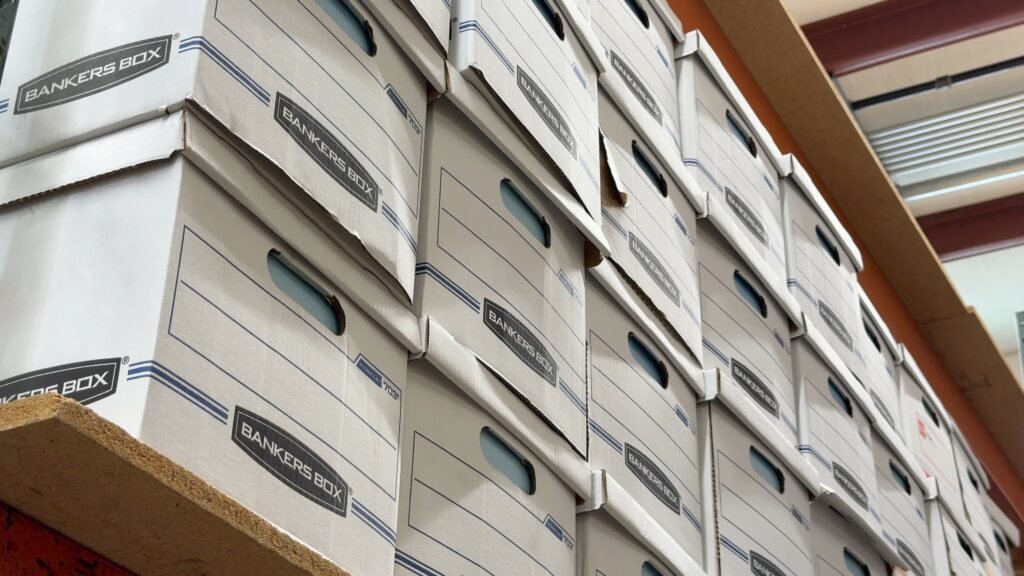
A professional archiving solution ensures records are securely stored, properly indexed, and available when needed.
- Tenant disputes
- Legal reviews
- Property sales or refinancing
- Internal audits
- Operational reviews
Secure storage and fast access can work together to support smooth daily operations.
Lifecycle & Retention Management
Not all records need to be kept forever — but destroying documentation too soon can create legal risk. Apartment management companies must balance retention requirements with liability exposure.
A structured lifecycle management approach helps ensure:
- Records are retained according to policy
- Files are tracked and organized
- Secure, documented destruction occurs when permitted
This reduces long-term risk while maintaining compliance. It also provides clarity and consistency across multiple properties, preventing confusion about what should be stored, archived, or securely destroyed. With defined retention schedules and documented processes in place, management teams can operate confidently knowing their records are controlled, compliant, and legally defensible.
Strengthening Operational Efficiency
Beyond legal protection, organized records archiving improves operational efficiency. It frees up office space, reduces administrative search time, and protects documents from environmental damage or unauthorized access.
In apartment management, documentation supports every lease, every tenant interaction, and every property decision. A secure and organized archiving system ensures your records work for you — not against you.



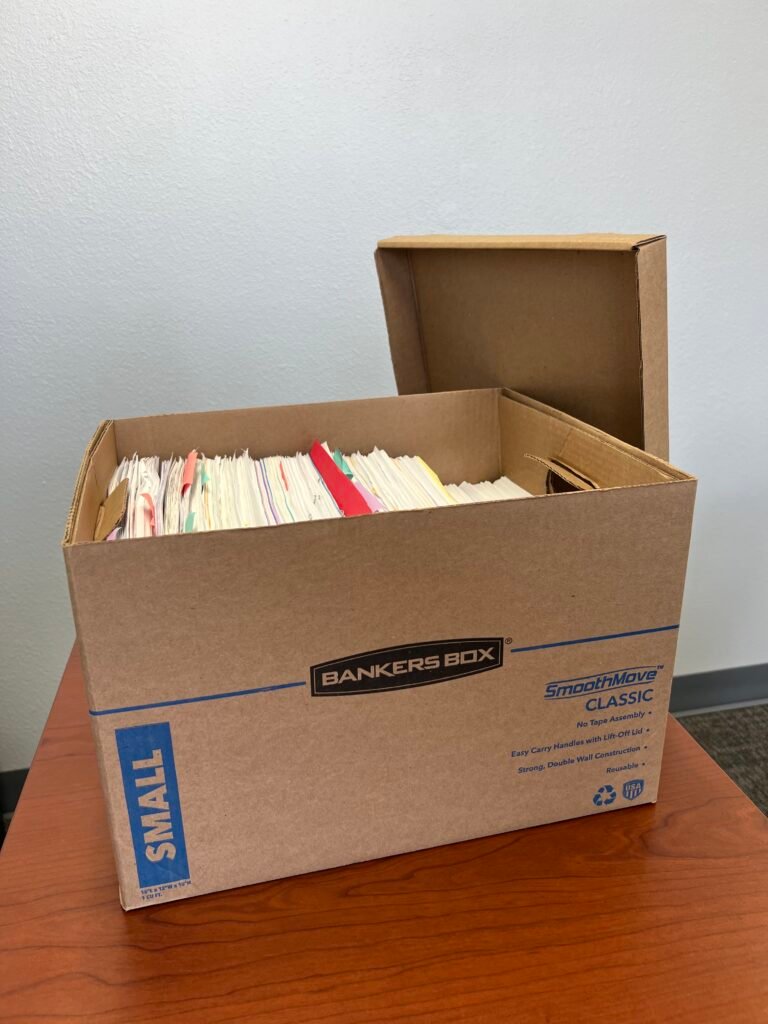
Looking for reliable shredding, scanning, archiving, media conversion, cloud, and more services? Contact Liberty today for a free, no-obligation quote. Whether it’s a single-file box or an ongoing service agreement, we’ll help you choose the right solution for your home or business.
Questions and Answers
Why do apartment management companies need professional records archiving?
Apartment management companies handle sensitive tenant, financial, and property documentation that must be securely stored and retained according to legal requirements. Professional archiving ensures records are organized, protected, and accessible while reducing compliance and liability risks.
What types of records should apartment managers archive?
Common records include lease agreements, tenant applications, inspection reports, maintenance logs, rent payment records, vendor contracts, insurance documentation, eviction files, and financial statements. These documents often require multi-year retention.
How long should apartment management records be kept?
Retention periods vary by state laws, housing regulations, and internal policies. Lease files, financial documents, and legal records may need to be retained for several years after tenancy ends. A structured retention schedule helps ensure compliance while minimizing risk.
Is off-site records storage secure for tenant information?
Yes. Professional archiving facilities use controlled access, inventory tracking, and secure handling procedures to protect confidential tenant and financial information from unauthorized access, damage, or loss.
Can archived records be accessed quickly if a dispute arises?
Absolutely. With proper indexing and tracking systems, archived files can be retrieved quickly for tenant disputes, audits, legal matters, or property transactions — ensuring security without sacrificing accessibility.