
Why Records Archiving Is Essential for Banks
Banks generate and manage an enormous volume of sensitive documentation every day — from account agreements and loan files to transaction histories, compliance reports, trust records, and internal audit documentation. These records are not only critical to daily operations, but also serve as long-term proof of regulatory compliance, financial activity, and institutional accountability.
Without a structured archiving system, banks face increased risk of misplaced files, delayed audits, compliance gaps, and operational inefficiencies that can impact both customers and regulators.
The Compliance and Regulatory Reality
Banking remains one of the most closely regulated industries. Federal and state agencies require strict retention timelines for financial records, and examinations often demand immediate access to documentation.
When records cannot be located promptly, it can:
- Delay regulatory reviews
- Complicate legal proceedings
- Increase liability exposure
- Damage client trust
A professional records archiving strategy helps ensure documentation is organized, securely stored, and audit-ready at all times. Clear chain-of-custody procedures, documented retention schedules, and certified destruction processes all strengthen a bank’s compliance posture.
Secure Access Without Operational Disruption
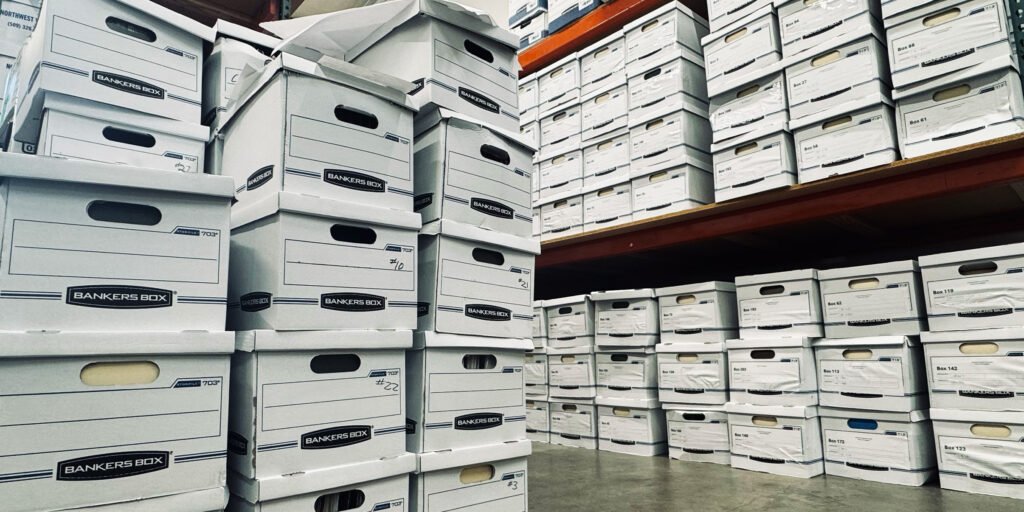
One of the biggest misconceptions about off-site archiving is that it limits accessibility. In reality, a professionally managed archiving system often improves retrieval speed compared to crowded internal storage rooms.
Banks regularly need access to records for:
- Regulatory examinations
- Legal or compliance inquiries
- Client disputes or account reviews
- Internal audits and operational reviews
With structured indexing and inventory tracking, files can be retrieved efficiently without disrupting branch operations or internal workflows.



Lifecycle Management Reduces Long-Term Risk
Effective records management goes beyond storing boxes. It requires overseeing the full lifecycle of documentation — from creation and active use to long-term retention and eventual secure destruction.
Retaining documents longer than necessary increases legal exposure, while improper disposal can create regulatory violations. A defined lifecycle management plan ensures records are kept for the appropriate timeframe and destroyed securely when permitted.
Operational and Strategic Benefits
In addition to compliance and risk mitigation, professional records archiving delivers measurable operational advantages:
- Frees up valuable office and branch space
- Reduces administrative time spent searching for files
- Protects documents from environmental damage or unauthorized access
- Supports digital transition efforts when needed
In today’s banking environment, secure and organized records management is not simply an administrative task — it is a strategic safeguard. By implementing a structured archiving solution, banks strengthen regulatory readiness, protect customer information, and maintain long-term operational stability.

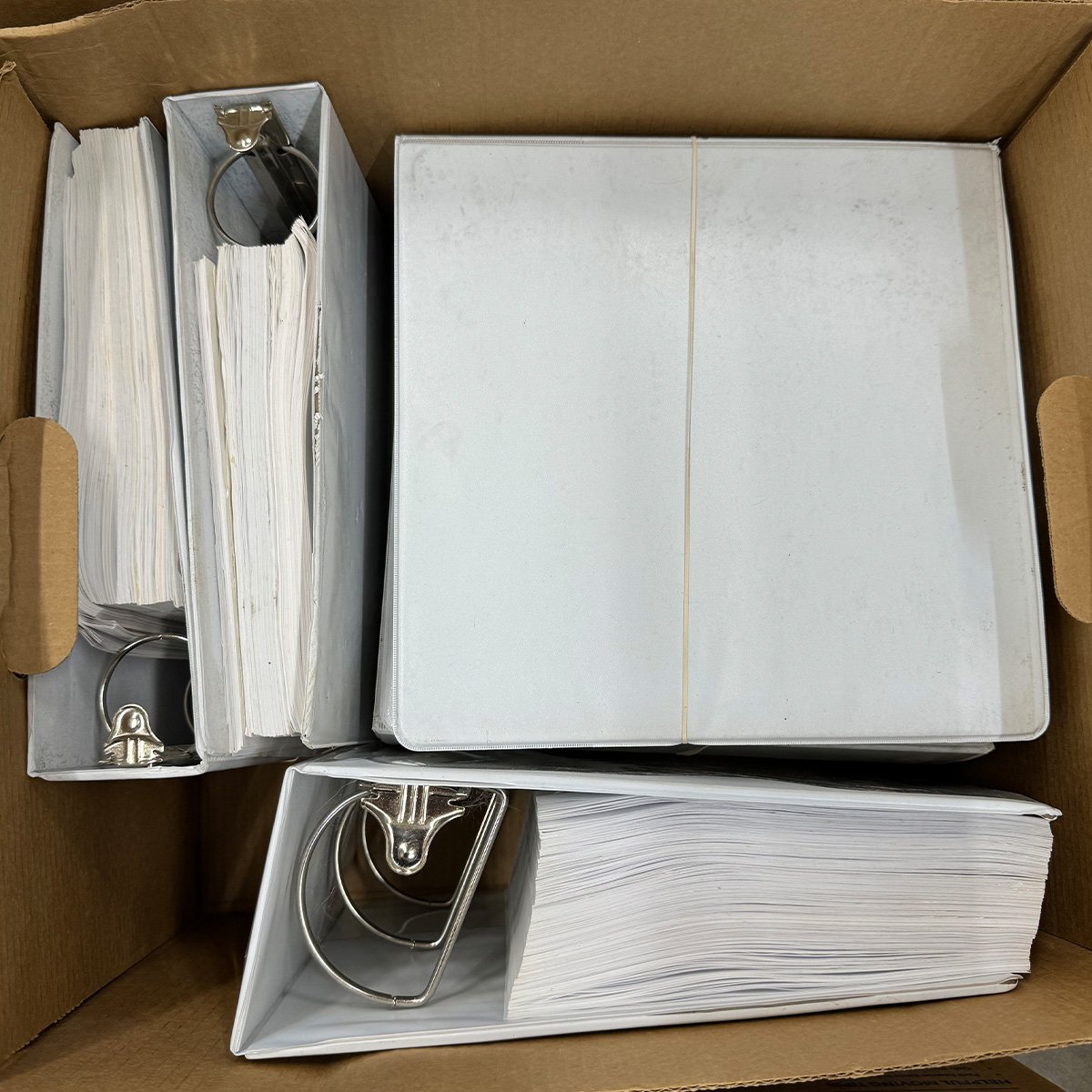
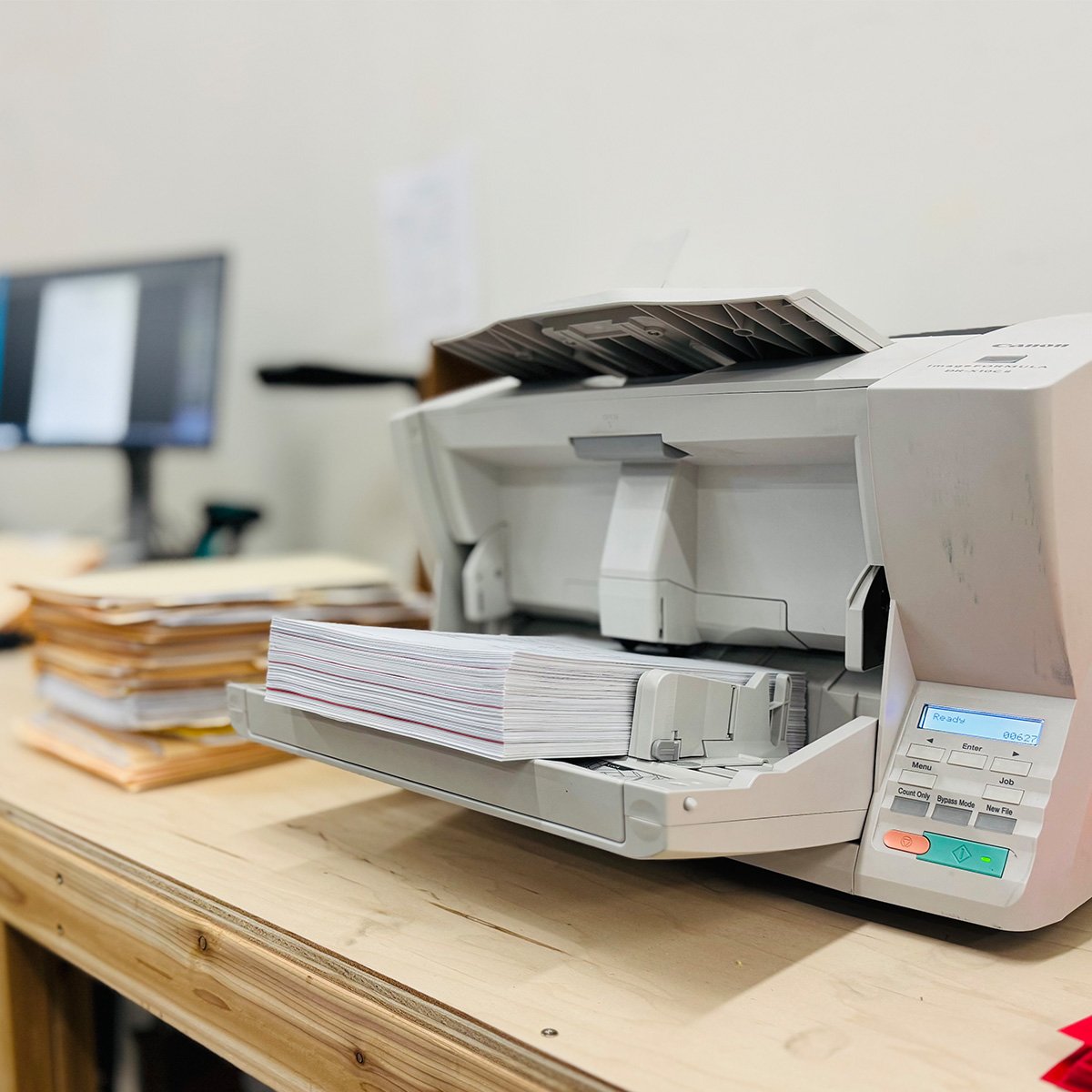
Looking for reliable shredding, scanning, archiving, media conversion, cloud, and more services? Contact Liberty today for a free, no-obligation quote. Whether it’s a single-file box or an ongoing service agreement, we’ll help you choose the right solution for your home or business.
Questions and Answers
Why do banks need professional records archiving services?
Banks manage highly sensitive financial and customer information that must be retained according to strict regulatory requirements. Professional records archiving ensures secure storage, organized retention, audit readiness, and proper lifecycle management to reduce compliance and legal risks.
What types of bank records should be archived?
Banks should archive account agreements, loan and mortgage documentation, transaction records, regulatory filings, audit reports, trust documents, HR files, and other operational records that require long-term retention or regulatory oversight.
How does records archiving support regulatory compliance?
Structured archiving helps banks follow mandated retention schedules, maintain documented chain-of-custody, and quickly retrieve files during examinations or audits. It also ensures secure, documented destruction when records reach the end of their required retention period.
Is off-site records storage secure for banks?
Yes. Professional off-site archiving facilities use controlled access, climate-controlled environments, inventory tracking, and secure retrieval processes to protect sensitive banking documents from unauthorized access, damage, or loss.
Can archived banking records be accessed quickly when needed?
Absolutely. With proper indexing and inventory systems, banks can request individual files or entire record sets for regulatory reviews, legal matters, client inquiries, or internal audits — ensuring security without sacrificing accessibility.